
When I tell you Nightbitch follows a struggling mother who starts believing she’s transforming into a dog, you might tilt your head and wonder, How on Earth are they going to make that work? The premise sounds bizarre, and the trailer doesn’t exactly inspire confidence. Yet, against all odds, Marielle Heller pulls it off. While the film could have leaned further into its wilder elements, Nightbitch ultimately succeeds as a heartfelt exploration of a mother’s yearning for freedom and accepting motherhood.
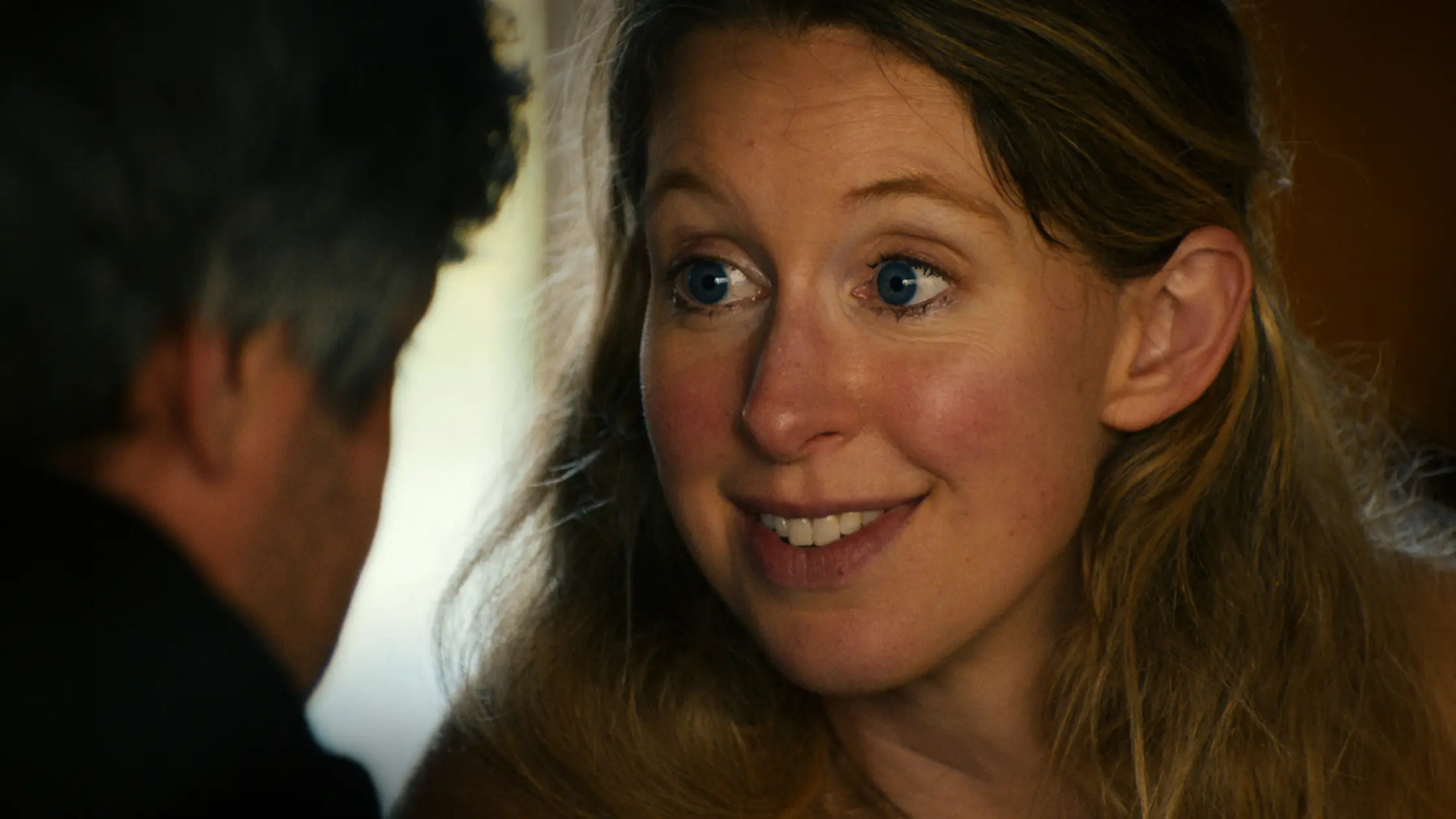
We follow Amy Adams’ unnamed stay-at-home mom named, Mother, through her daily life taking care of her two-year-old son. She finds herself trapped in the mundane routine of taking care of him that is rewarding, messy, chaotic and tiring. Even though she loves him unconditionally, she feels a growing sense of dread as she feels like she is losing her identity. And her loss of self is further accelerated when her Husband, Scoot McNairy, doesn’t really help around the house and is constantly away on business trips. Thus in her frustration, anger, and depression, she believes that she is turning into a dog. A transformation that is both metaphorical and physical.
Now, let’s address the elephant in the room: Amy Adams turning into a dog. On paper, this transformation shouldn’t work. But it does—because instead of a literal physical change, it functions as a metaphor for the transformative nature of motherhood. Nightbitch doesn’t shy away from acknowledging that motherhood isn’t all sunshine and rainbows. Our culture often masks the brutal, isolating, and sometimes depressing realities of being a mother.
Childbirth is a raw, visceral, even violent process, leaving both physical and chemical changes that forever alter a person. You can’t return to who you were before—and for many, that loss can feel like a kind of living hell. While motherhood can absolutely be one of life’s most rewarding experiences, it’s also primal, demanding you to embrace both the beauty and the chaos. The film’s central theme—that surrendering to your primal instincts allows you to fully embody motherhood, with all its light and darkness—is at the core of Nightbitch.
This thematic exploration is Nightbitch’s most compelling aspect, offering a meditative quality anchored by Amy Adams’ raw, vulnerable performance as a mother at her breaking point. However, this journey is also the film’s greatest weakness. The magical realism of her transformation feels underdeveloped, serving more as a metaphorical device than a fully realized narrative element. While the metaphor works beautifully, it raises the question: why introduce it if you are not going to use it.
Furthermore, the characters surrounding Adams feel less like fully realized individuals and more like caricatures designed to serve a specific narrative purpose. This is especially evident with the Husband. Rather than developing him into a nuanced character who reflects how relationship dynamics shift dramatically after the arrival of a child, he exists primarily to make a point: that fathers—especially semi-absent ones—often fail to grasp the challenges of raising a child. While this idea has merit, the film misses an opportunity to delve deeper into their relationship and the struggles they face in communicating. Instead of exploring the tension and disconnect between them, his character functions solely as a narrative device, reducing what could have been a rich dynamic to a one-noted commentary.
Overall, Nightbitch proved to be an unexpected delight. When the film was first announced, its unusual premise made it hard to predict how it would play out, but Marielle Heller miraculously managed to bring it to life in a compelling way. Despite its occasional rough edges and moments of unevenness, the film succeeds in delivering a poignant and heartfelt narrative. At its core, Nightbitch is a beautifully crafted love letter to mothers everywhere, capturing both the challenges and triumphs of motherhood.
My Rating: B+



Leave a Reply