
In an era of political uncertainty, a series like Zero Day should be perfectly timed. It is a conspiracy thriller, about a cyber-terrorist attack on the United States and the fallout of said attack. Former president, George Mullen (Robert De Niro), is called back into service to head a commission investigating the hackers behind a nationwide computer outage that claimed thousands of lives. With the media, government, and the people breathing down his neck for answers, as another attack is imminent, Mullen and his team are pushed to their physical and ethical limits to catch the terrorist.
On paper, Zero Day has all the makings of a hit. It tells a compelling and timely story about an aging politician pushed to his breaking point while grappling with a national crisis. The series explores pressing questions: How does the government respond to such an attack? What rights is it willing to sacrifice in the name of justice? How do the people react? Who stands to gain from the chaos? As the tension mounts and the walls close in on Mullen and the nation, the show crafts an intense, high-stakes atmosphere. Add to that an all-star cast packed with Emmy and Oscar winners, and it seems like a surefire success. So why does it fall short?
The best word to describe Zero Day is undercooked. It has all the right ingredients for a gripping modern political thriller, yet none of them fully come together. The show clearly has a story it wants to tell, but it doesn’t know how to tell it. Instead, it scrambles in multiple directions, hoping to keep the audience engaged as it stumbles toward an anti-climactic resolution.
The narrative is bogged down by tangents that either lead nowhere or are woefully underutilized. Take, for example, the protagonist—an aging politician showing signs of dementia or Alzheimer’s. Rather than exploring the compelling idea of a man fighting to keep his mind intact during a national crisis, the show throws in a bizarre subplot about his brain being controlled by a cybernetic weapon—an angle that adds nothing to the story. Then there’s a Jeffrey Epstein-like character who appears in only two scenes, never to be relevant again. Or Mullen’s daughter, inexplicably heading an oversight committee, despite doing no actual oversight. These and many other plot threads clutter the narrative, leaving it directionless and ultimately wasting the audience’s time.
When the show finally does find a direction, it rushes through it, failing to build any real tension. And to make matters worse, the ending is painfully predictable by the halfway mark. Zero Day had all the right ingredients, but it never figured out the recipe.

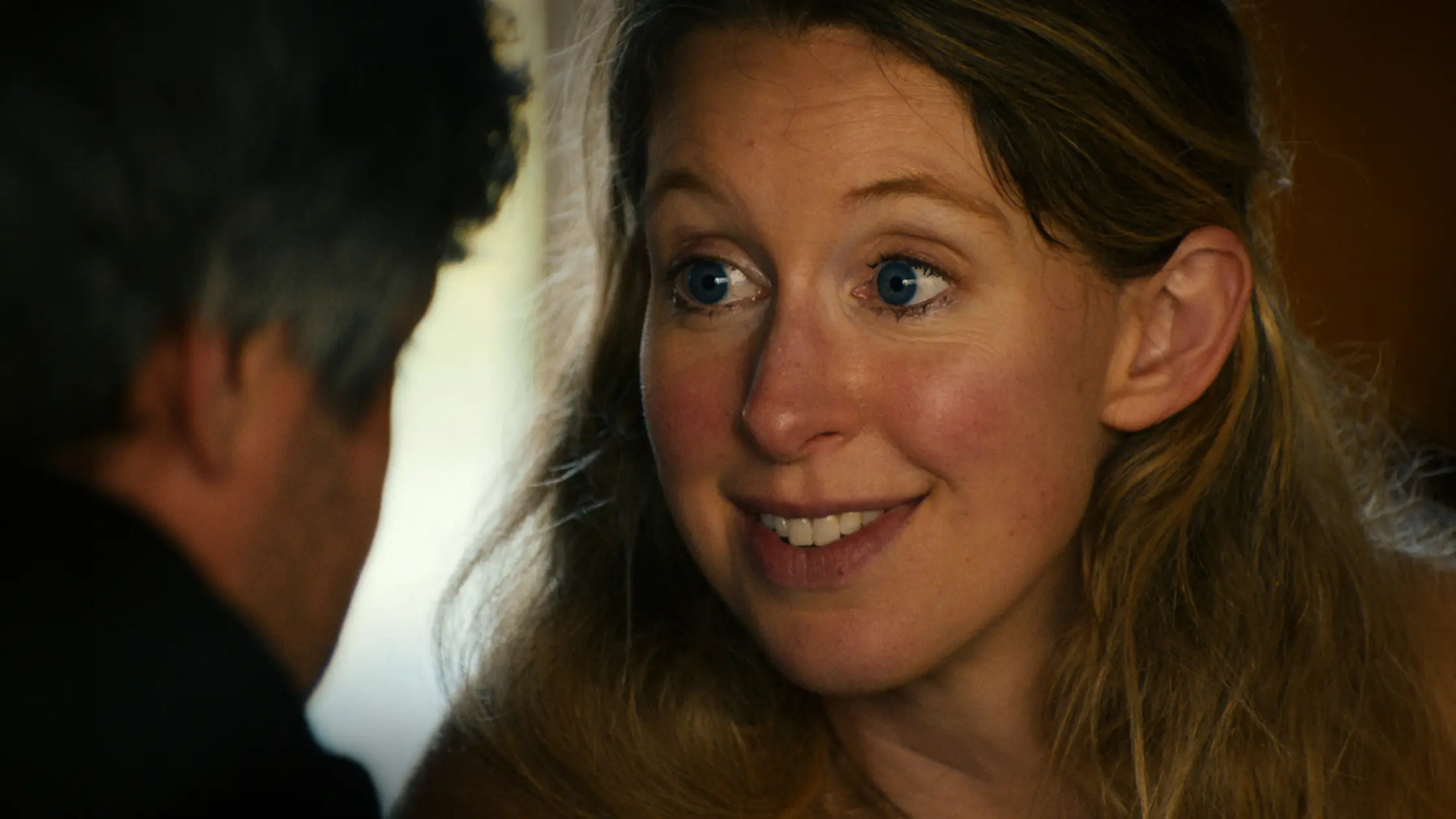
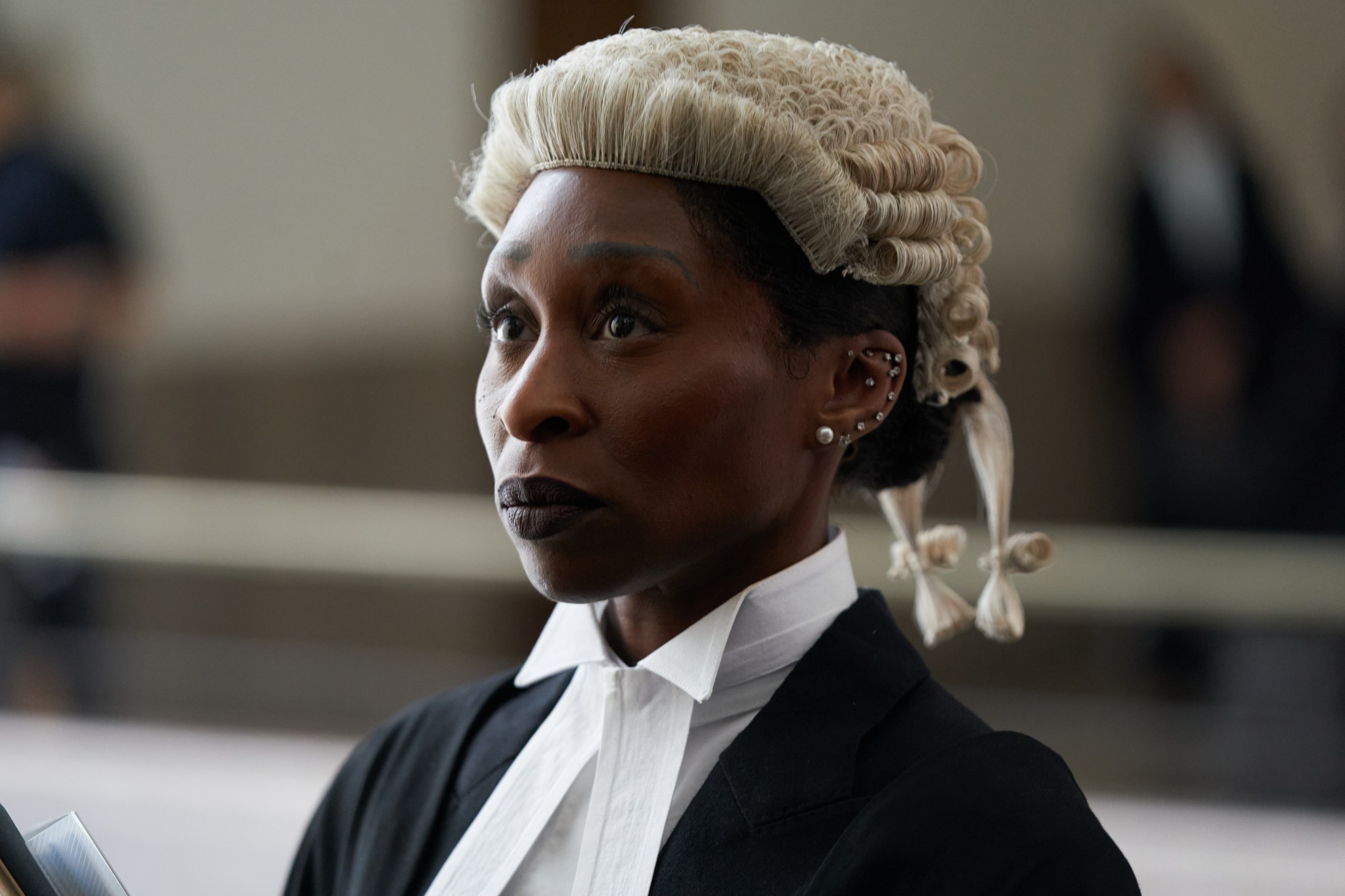
Despite the ensemble cast’s best efforts to carry the show, there’s an uncanny artificiality to their performances. To be fair, politicians often embody an almost robotic quality, and the actors nail that detached, rehearsed persona. However, when their characters step outside the political sphere and are meant to feel more human, they still come across as hollow, as if they’re merely politicians pretending to be real people.
This stiffness isn’t necessarily the fault of the cast but rather the writing, which burdens them with heavy exposition dumps that strip their performances of nuance. The result is a collection of characters who feel more like mouthpieces for the script than actual people, making it difficult to connect with any of them—despite the actors’ clear dedication to the material.
Perhaps the greatest failure of Zero Day is that it ultimately has nothing to say about today’s political climate. That alone would be disappointing, but what makes it frustrating is its centrist, fence-sitting approach. Yes, modern politics is a toxic cesspool—but instead of taking a sharp, pointed stance, the series settles for a lukewarm both sides are bad message that feels timid, especially given Robert De Niro’s well-known political outspokenness. One would expect his involvement to steer the show toward something more biting, yet Zero Day plays it remarkably safe, pushing an almost naïve call for unity rather than offering any meaningful critique.
It’s even more perplexing given how transparently the characters draw from real-world figures. George Mullen is clearly modeled after Joe Biden, Evan Green (Dan Stevens) echoes Ben Shapiro, Robert Lyndon (Clark Gregg) has shades of Jeffrey Epstein, and Monica Kidder (Gaby Hoffmann) is a tech mogul in the vein of Elon Musk or Mark Zuckerberg. Yet, despite pulling from such recognizable inspirations, the series does shockingly little with them. If Zero Day wasn’t willing to engage with the very figures it’s riffing on, why use them as a foundation at all? The result is a show that hints at relevance but ultimately shies away from making any real impact.
Overall, Zero Day is a massive misfire—an ambitious concept that never fully materializes. The show had all the right ingredients: a timely and thought-provoking premise, capable direction, and a powerhouse cast. Yet, instead of delivering a sharp and gripping political thriller, it plays things frustratingly safe. Rather than leaning into its themes with boldness or conviction, Zero Day seems paralyzed by the fear of offending. It avoids taking a firm stance, watering down its social and political commentary to the point of irrelevance. As a result, what could have been a searing reflection of modern political tensions instead feels toothless and unsure of itself. In trying to appeal to everyone, it ends up saying nothing at all.
My Rating: C+


Leave a Reply