
When it comes to shows built around major IPs, they usually land in one of three camps. The first is the disaster zone: a series that’s not just bad, but outright dismissive of its source material, as if the showrunners know better than the original writers. Cue The Witcher (Netflix) or The Lord of the Rings: The Rings of Power (Amazon Prime Video). The second is the rare triumph, an adaptation that both delivers quality cinema and honors its source material, satisfying fans and pulling in wider audiences. Fallout (Amazon Prime Video) and Peter Jackson’s Lord of the Rings trilogy fit perfectly here. And then there’s the third camp: the frustrating middle ground, where a series clearly understands its source but collapses under its own ambition, never living up to what it could have been. Think Game of Thrones (HBO) or House of the Dragon (HBO).
So when Hulu/Disney+ announced a spinoff set in the Alien universe, I was cautiously intrigued. The franchise has been carrying a “cursed” reputation for years now. Yet with Alien: Romulus turning out to be a welcome surprise, and Noah Hawley at the helm, there was reason to believe the curse might be broken. My doubts should have been erased. But instead, Alien: Earth does exactly what you hope it won’t, it squanders its potential.

A deep space research vessel carrying alien specimens, including a xenomorph, crashes into the densely populated city of Prodigy City, where first-responders, military, and a rag-tag group of experimental synthetics, work to contain the crisis and prevent the alien specimens from creating a biological and ecological disaster. Working against the clock and the predatory xenomorph, the task is harder than it seems as a war between corporations begins to brew over who controls the cargo of the crashed ship.
Alien: Earth starts strong, especially in its opening episodes. Those first chapters echo the claustrophobic terror of the original Alien film, only scaled up as our characters navigate through the wreckage of a deep-space research vessel overrun with creatures, including a Xenomorph, that stalk them one by one as they scramble to keep the monsters from reaching the city. It’s tense, exhilarating, and for a while, I was completely locked in. Not just entertained, but intellectually hooked. The show teases out big, heady ideas. Five corporations ruling the world and reducing everyone to little more than slaves, a tech trillionaire playing God and facing the fallout of his hubris, the dangers of trying to cage predators that can never truly be contained, children granted godlike power who wield it with the naïveté of thinking they know best. Each one of these threads is fascinating, each could have sustained an entire series on its own. But that’s the problem. Alien: Earth tries to juggle too much at once, and in cramming it all together, the impact of each idea gets blunted. Instead of weaving into something sharp and compelling, the series feels overstuffed, like it’s carrying more weight than it knows how to handle.

An overstuffed narrative doesn’t just lead to a finale that feels unearned, it drags the entire series down with it. When a show bites off more than it can chew, everything buckles under the weight of its own ambition. None of the plotlines have room to breathe, so the story starts cutting corners: characters behaving with cartoonish stupidity, contrivances shoved in to force the plot from point A to point Z. The result is a mess of plot holes. Internal logic disappears. Any sense of moral code is abandoned. Characters become either wildly inconsistent or frustratingly paper-thin. And in the end, what should have been riveting becomes maddening as the series can’t stop sabotaging itself.
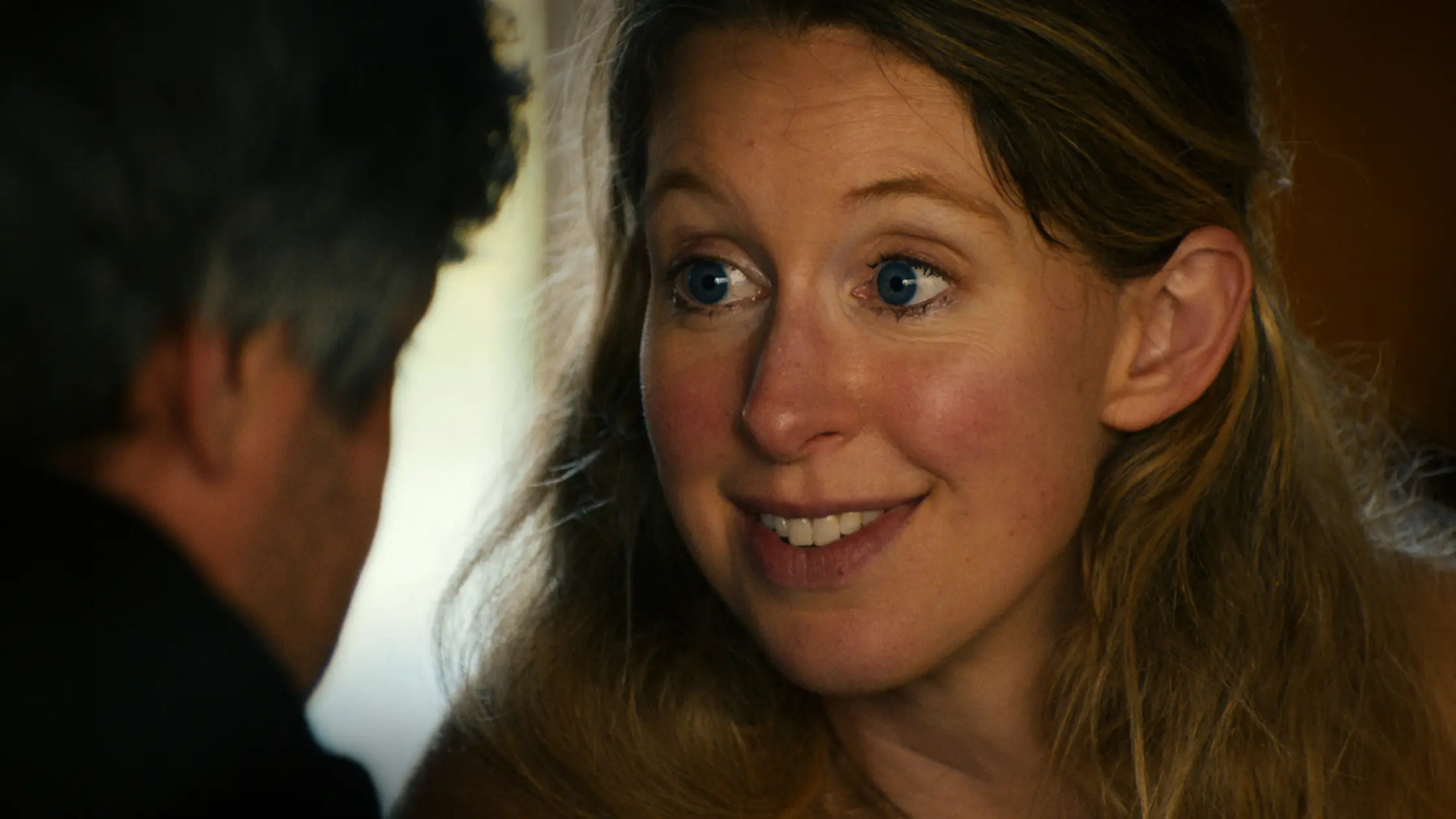
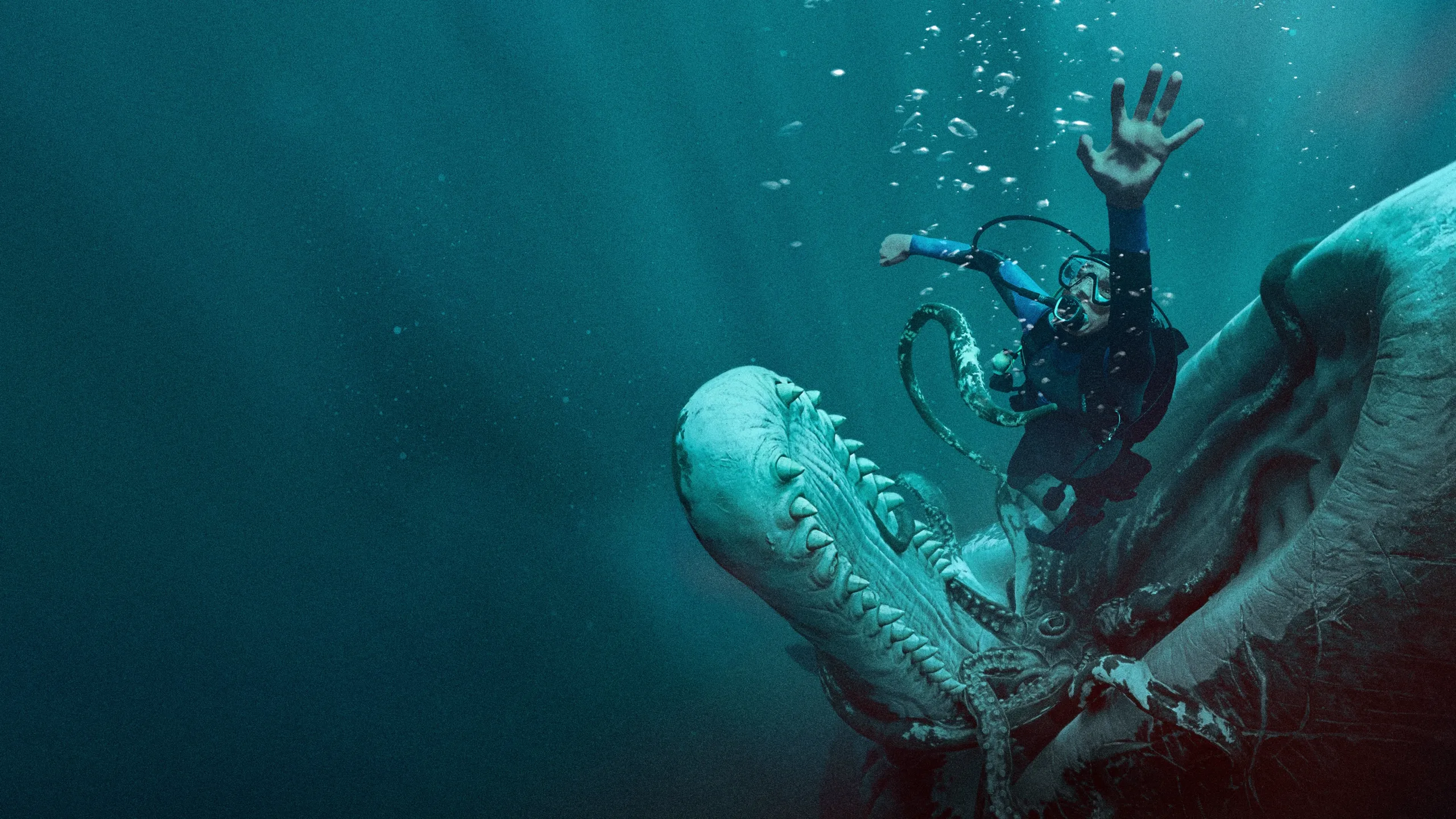
And that’s what makes Alien: Earth all the more tragic, is that the series is undeniably well made. From the very first moments, it felt like I had been dropped back onto the Nostromo. The series nails that signature Alien aesthetic: the suffocating corridors, the oppressive atmosphere, the sense of danger as it hides in your shadows. The Xenomorph design is as nightmarish as ever, and the new batch of aliens bring their own brand of terror. The Eye, in particular, was a standout. It’s rare that a franchise can introduce a new monster that feels fresh while still fitting seamlessly into its established mythology. And then there’s the cast. The ensemble delivers across the board. It’s clear these actors are doing everything they can to elevate the material but they don’t phone it in. Which only makes the failure of the series sting that much harder. With this level of craft, design, and performance, Alien: Earth had all the right ingredients. I just didn’t know how to use them.

In the end, it’s nothing short of tragic to watch a series implode on itself. Alien: Earth had everything it needed to be great. The vision, the craft, the performances, even the right atmosphere. The promise was there from the start. But instead of sharpening its focus, it let itself get blinded by its own ambition and collapsed under the weight of it. There are flashes of brilliance scattered throughout, but they’re buried under a narrative that never quite knows what it wants to be. I can only hope that by the time season two rolls around, the showrunners find a way to rein it all in. Because if this first season is any indication, they’ve got a long climb ahead.
My Rating: C+


Leave a Reply