
The Me Too Movement is an activist movement shrouded in praise and controversy. Many praised the movement for offering support to victims of sexual violence. The movement highlighted the difficulties that victims face in the justice system, as well as educating the public regarding consent and what is sexual assault and sexual harrasment. However, the movement also faced controversy. Male victims of sexual violence were shamed, belittled, and exiled from the movement. The movement failed to acknowledge that women can be perpetrators of sexual violence. Furthermore, many leading members of the movement openly advocated for the dismissal of due process, saying the accused is “guilty until proven innocent” in lieu of the US right of “innocent until proven guilty”. It’s a complicated movement that is at the center of Luca Guadagnino’s latest feature, After the Hunt, written by Nora Garrett. So, does it explore the movement in all the complexities it deserves? No, as it is a morally pretentious mess that acts smarter than it actually is.
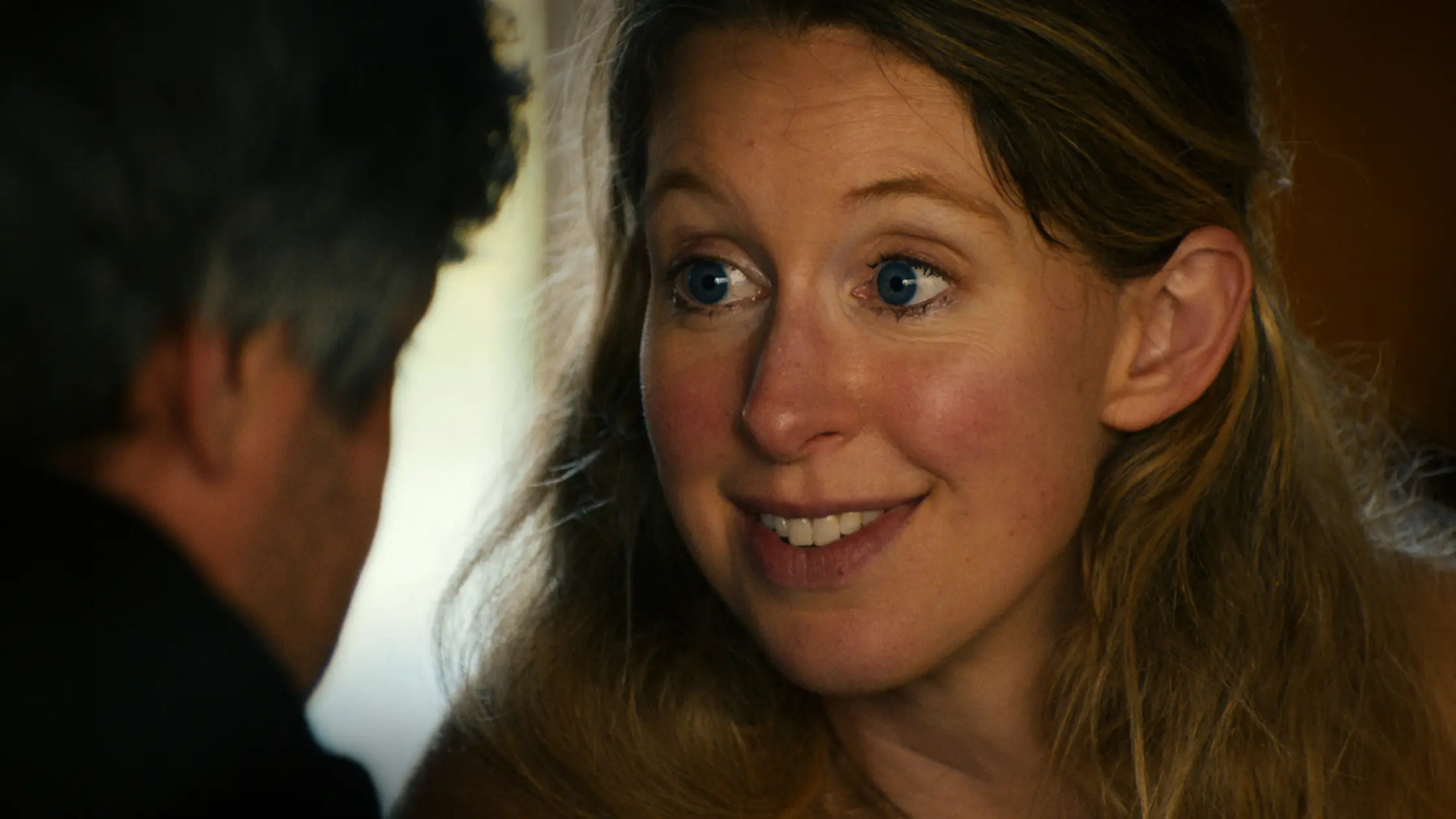
We follow Alma Imhoff (Julia Roberts), a well-liked and respected philosophy professor at Yale University. She loves the spotlight and people fawning over her. One of them is Hank Gibson (Andrew Garfield), a colleague and close friend, that may be a bit more than a friend. The other is Maggie (Ayo Edebiri), a young philosophy student who worships Alma as she is her protegee. However, when Maggie accuses Hank of sexually assaulting her after a dinner party, Alma is torn between who she believes, her best friend or her protegee, as she spirals in her trauma from his past.

For the first 45-minutes of After the Hunt, I was hooked. We are first introduced to our characters having a dinner party debating over the latest debacles in philosophy. Despite some tension here and there, everyone remains civil with no dark intentions. Everybody leaves in merry spirits, but the following day, something is wrong. Maggie is missing and Hank and Alma are worried. Later that day, Maggie reveals that Hank sexually assaulted her, which explodes into a full investigation at the university and throws Alma into a spiral of her own traumas. It’s a gripping set up, to a sharp narrative, but the film takes a different approach.
Rather than following a straightforward courtroom drama, the film zeroes in on the immediate aftermath of the chaos that follows a sexual assault alligation. The investigation is swift; Hank is fired almost instantly. The media hounds Maggie for details, circling like vultures. Meanwhile, Alma is caught in the crossfire, unsure of what or who to believe as the case hangs in ambiguity and hearsay. It’s the perfect foundation for an unflinching look at the messy realities of sexual assault allegations. But instead of leaning into that tension and investigation, After the Hunt unravels into a thematic free-for-all. Where it shifts its focus toward generational miscommunication and unprocessed trauma. It’s both literally and metaphorically a hot mess, losing sight of the story it seemed so ready to tell.

Messy, self-important, and completely out of touch, After the Hunt squanders every ounce of its potential. What could’ve been a sharp, layered drama instead feels like a waste of talent, both in front of and behind the camera. Luca Guadagnino’s direction is surprisingly flat. The score by Trent Reznor and Atticus Ross, is usually a highlight in Luca’s films, is jarring as it smothers entire scenes and killing their tone. The editing doesn’t help either. It’s erratic and incoherent, with no consistent visual rhythm to hold the narrative together. Stuffed with buzzwords and surface-level “hot takes,” After the Hunt tries to critique every side of the conversation while saying absolutely nothing. It talks down to its audience with this smug, holier-than-thou attitude, mistaking condescension for insight. By the end, all that’s left is a muddled pile of empty dialogue and confused ideas. A word salad dressed up as depth.
It doesn’t help that every character in After the Hunt is insufferably self-absorbed, smug intellectual convinced they’re the smartest people in the room. Each one hides behind a carefully curated façade, dripping with superiority. Even Julia Roberts and Andrew Garfield struggle to bring any depth to these hollow caricatures, but their talent can only do so much against such thin writing.

But the biggest misfire is Ayo Edebiri as Maggie. Her performance feels completely out of sync, either she’s in a different movie entirely or sleepwalking. I understand that her character is meant to critique the idea of the “perfect victim,” but she comes across as artificial and fake from start to finish. Every time she enters the room, it feels like she’s performing being sincere rather than actually embodying it. Maggie’s a billionaire cosplaying as a member of the oppressed working class, posturing herself as a prodigy when she’s really just mediocre and coasting on her parents’ money. She sadly feels grating and false. When challenged, she deflects by weaponizing her identity and begins playing the victim, which makes her nearly impossible to root for. The combination of weak characterization and a detached performance leaves Maggie both unbelievable and deeply unlikable, a character the film clearly wants us to sympathize with, but gives us every reason not to.
Overall, After the Hunt is a complete disaster as it is a film that had everything going for it and somehow squandered it all. It wastes its potential, its cast, and the talent behind the camera in one fell swoop. Its unraveling is as disappointing as it is infuriating. It’s like witnessing a brilliant idea slowly self-destruct under the weight of its own pretension. Luca should take a break for a while before getting behind the camera, or should at the very least, read through scripts more carefully.
My Rating: C-


Leave a Reply