
Director Christopher Andrews delivers a stunning debut with his intense Irish drama Bring Them Down. This gripping tale of miscommunication unfolds through the perspectives of fathers, sons, and mutilated sheep. Reminiscent of Rashomon, the film follows two feuding shepherd families navigating life in the remote Irish wilderness. Struggling to survive, their series of poor decisions spirals into a harrowing bloodbath.
Bring Them Down wastes no time, thrusting viewers directly into the heart of a bitter shepherding conflict. The film offers no backstory for the decades-long feud between the families, a choice some might see as a missed opportunity. However, Bring Them Down is less concerned with the origins of their hatred and more focused on the destructive cycle of violence and animosity that propels the story toward its devastating climax. This harrowing finale is marked by animal mutilation, decapitations, stabbings, shootings, and profound heartbreak. It’s a brutal and unflinching experience—definitely not for the faint of heart.
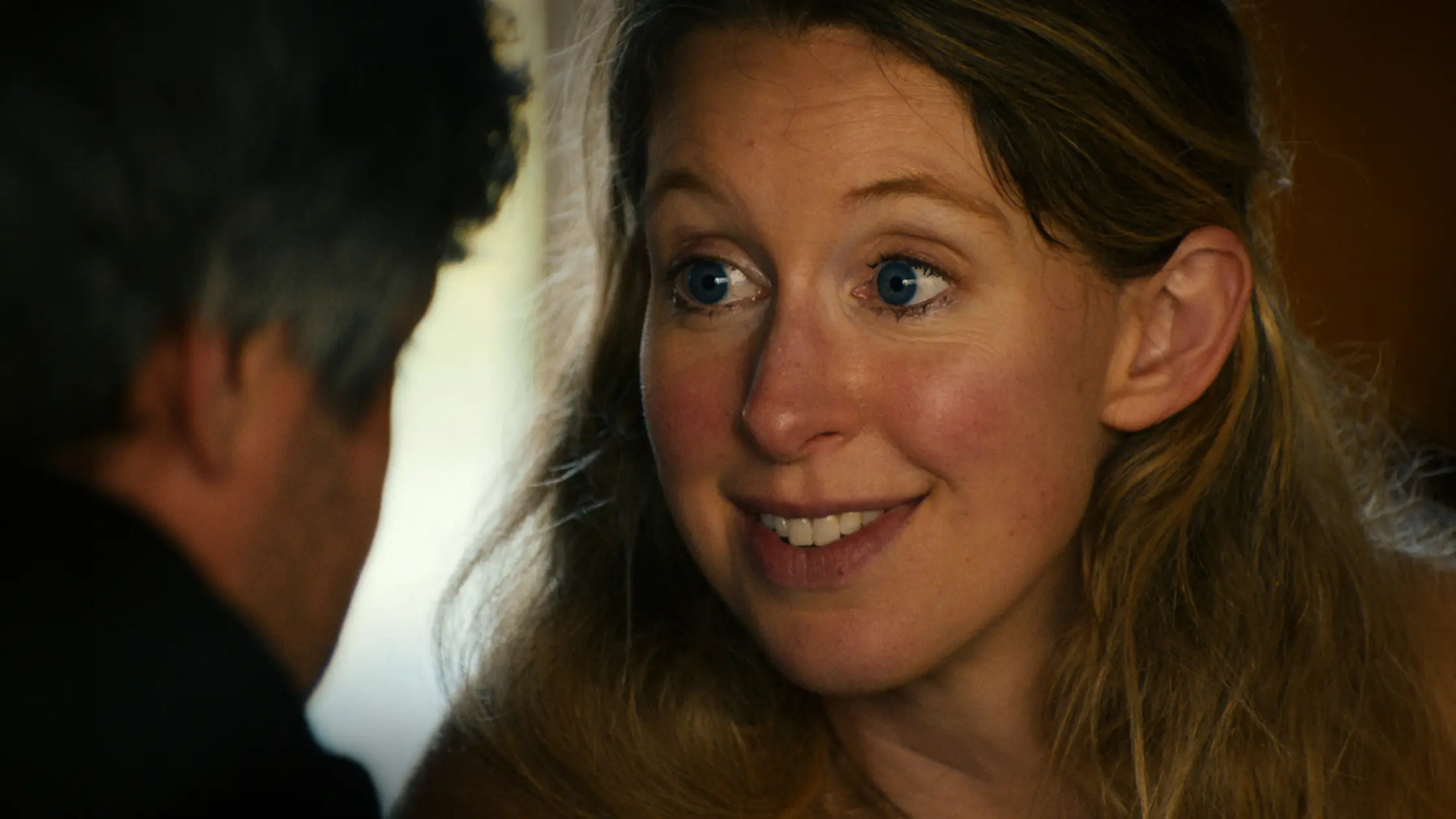
The film begins with a haunting prologue: a car crash involving Michael (Christopher Abbott), his mother, and his then-girlfriend Caroline (Nora-Jane Noone). In a fit of rage after his mother reveals plans to leave his father, Michael loses control of the car. The crash kills his mother instantly and leaves Caroline severely injured. Years later, Michael cares for his ailing, demanding father, Ray (Colm Meaney), while managing their struggling farm. Meanwhile, Caroline has married their neighbor and rival, Gary (Paul Ready), with whom she shares a teenage son, Jack (Barry Keoghan). The lingering scars of past trauma create a tense atmosphere between the two families—a tension that intensifies when two of Michael’s sheep turn up dead on Gary’s property.
The film’s first half unfolds from Michael’s perspective, shrouded in the silent darkness of his internal struggles. A man of few words, Michael is brought to life by Abbott’s commanding performance, blending vulnerability with a simmering intensity. As tensions with his neighbors escalate, Michael’s growing anger and resentment gradually consume him, culminating in an act of violence he never imagined himself capable of committing.
The second half shifts to Jack’s point of view. Played masterfully by Barry Keoghan, Jack is a peculiar and fragile young man shaped by years of isolation and poverty, which have eroded his moral compass. What begins as a seemingly minor incident spirals into a gruesome act of brutality, as Jack mutilates Michael’s sheep for quick money. The shocking and grotesque scene is bound to leave audiences disgusted and unsettled, setting the stage for the film’s grim descent into chaos.
Director Christopher Andrews, alongside cinematographer Nick Cooke, crafts a dark and brooding atmosphere in the remote landscapes of western Ireland. The Irish mountains, while breathtakingly beautiful, take on an oppressive and ominous presence in Bring Them Down, embodying isolation and creeping madness. Enhanced by a relentless, pounding score, the film becomes a gripping thriller that mesmerizes as much as it unsettles—certainly not for the faint of heart.
Overall, Bring Them Down is a haunting and deeply compelling exploration of brutality, miscommunication, and the devastating cycles of violence that can consume individuals and families alike. The film delves into the darkest corners of human nature, unflinchingly portraying how unchecked rage and unresolved trauma can spiral into catastrophic consequences.
Its unrelenting depiction of bleakness and savagery may not resonate with all audiences; some may find its stark, depressing tone overwhelming. Yet, for those willing to immerse themselves in its grim narrative and atmospheric tension, Bring Them Down offers an unforgettable cinematic experience. It is a raw, unvarnished study of human flaws and the destructive patterns that arise from pain, miscommunication, and generational conflict—captivating in its honesty, even as it unsettles and disturbs.
My Rating: A


Leave a Reply