
Remember back in the mid-to-late 2000s and early 2010s, when there was a wave of drama series that blended science fiction into their narratives? Shows like Revolution (2012–2014), Terra Nova (2011–2012), and FlashForward (2009–2010) all seemed to be chasing the magic of Lost (2004–2010). For a while, that trend seemed to fade away, until I came across Hulu’s Paradise. What begins as a political thriller centered on the president’s assassination quickly morphs into a post-apocalyptic sci-fi story, set in a city buried beneath the Rocky Mountains. It’s about survival at the end of the world, and the forces trying to control what’s left of humanity. It’s quite the throwback, isn’t it? Paradise isn’t flawless, but it’s definitely compelling.
We follow Xavier Collins (Sterling K. Brown), the lead Secret Service agent tasked with protecting the President of the United States. One morning, during his routine rounds, he discovers President Cal Bradford (James Marsden) dead in his bedroom,an assassination that sets off not only a high-stakes investigation into the president’s murder, but also into the mysterious place they call home: Paradise. Paradise is an underground bunker built by billionaires as a last-ditch effort to preserve humanity in the wake of a global catastrophe. While the story unfolds like a familiar nonlinear political thriller, it’s packed with just enough intrigue and tension to keep viewers hooked, even if the writing can be a bit scattershot at times.
The series is far from flawless, often leaning on tired and frustrating writing tropes to force key plot developments. You’ll recognize the usual suspects: a character who claims to have crucial, game-changing information but inexplicably decides it can wait until morning, only to be conveniently killed before they can reveal it. Or the protagonist’s child who disobeys explicit instructions to stay hidden, attempts to help someone, and inevitably gets caught, derailing the parent’s mission entirely. There’s even a puzzling subplot involving the construction of the underground city: thousands of workers were supposedly involved, yet they vanish from the narrative without explanation once the city is complete. The show is riddled with these narrative shortcuts, which can strain credibility and require a fair amount of suspension of disbelief. Paradise leans heavily on its high-concept premise to propel the story forward, and while that concept is compelling, it sometimes feels like the show is coasting on it rather than building something truly airtight.

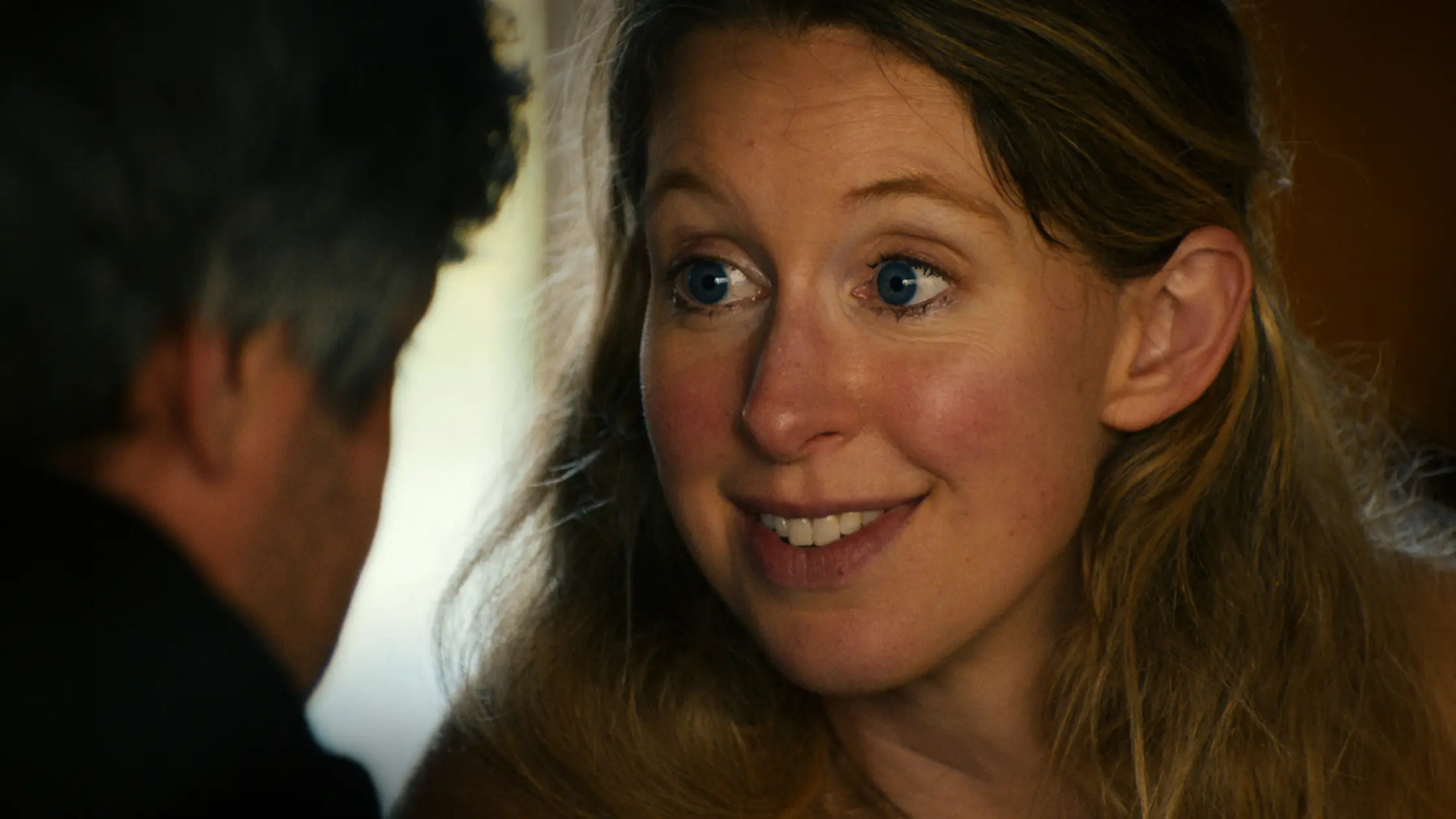
Furthermore, the dialogue in Paradise often feels stilted and unnatural, with much of it consisting of heavy-handed exposition rather than organic, character-driven conversation. It’s the kind of writing where characters talk at each other instead of to each other. Fortunately, the ensemble cast does a remarkable job elevating the material, injecting humanity and emotional weight into even the most utilitarian lines. Sterling K. Brown anchors the series with quiet intensity, portraying Xavier Collins as a man of unshakable conviction navigating an increasingly unstable world. Julianne Nicholson adds layers of depth to what could have been a one-dimensional billionaire antagonist, delivering a performance full of nuance and moral ambiguity that transcends the show’s writing. But it’s James Marsden who delivers the series’ most surprising and affecting performance as President Cal Bradford. Rather than playing into easy caricature, the incompetent or power-hungry leader archetype, Marsden crafts a portrait of a man burdened by impossible choices and haunted by guilt. His portrayal is a slow-burning study in vulnerability and regret, and it’s nothing short of exceptional. If there’s any justice, Marsden deserves to be in serious Emmy consideration for this role.
But let me tell you, when Paradise hits its stride, it doesn’t just work, it soars. Nowhere is that more evident than in Episode 7, which stands as a stunning centerpiece of the season, a masterclass in contained storytelling and emotional devastation. In the crowded landscape of apocalyptic fiction, most stories tend to lean on the visual spectacle of destruction, cities crumbling, fire raining from the sky, chaos erupting in the streets. Paradise, however, takes a different and far more chilling route. Instead of explosions and crumbling skylines, Episode 7 turns inward, narrowing its scope to the claustrophobic halls of the White House. There are no grand action set-pieces, just mounting dread, quiet breakdowns, and the agonizing weight of inevitability.

As the characters come to terms with the unthinkable, that a supervolcano eruption in Antarctica has triggered a catastrophic tsunami, and the ensuing panic has sparked nuclear retaliation across the globe, they are faced with the grim reality that billions of lives are about to be lost. The episode becomes less about survival and more about reckoning, with responsibility, failure, and the quiet horror of watching the end unfold from behind locked doors. What makes this episode truly exceptional is its restraint. It’s not about spectacle, but about mood and emotional truth. The writing, direction, and performances converge in a deeply human hour of television. It’s an intimate, pressure-cooker of a bottle episode that forces every character to confront the end not with action, but with silence, fear, and resignation. It’s not just the best episode of Paradise, it’s one of the best pieces of television in recent memory.
Overall, Paradise is far from a perfect series, but it’s undeniably a fascinating one, and well worth the watch for those drawn to high-concept storytelling. What begins as a familiar political thriller centered on the assassination of a president quickly evolves into something far more ambitious: a brooding, genre-blending science fiction narrative that explores the collapse of civilization from deep beneath the surface, both literally and emotionally. While the writing often stumbles, relying on clunky exposition, predictable tropes, and moments that strain credibility, the show’s core ideas and the strength of its cast elevate it above its flaws. There’s real potential here, and if the creators can refine the storytelling in a second season, Paradise could evolve from an intriguing curiosity into something truly exceptional.
My Rating: B


Leave a Reply