
Wes Anderson has long been one of my favorite filmmakers in Hollywood. His unmistakable style, marked by symmetrical framing, pastel color palettes, and dry, deadpan performances, makes him one of the most distinctive auteurs working today. Naturally, I was eagerly anticipating his latest feature, The Phoenician Scheme. Anderson had never let me down before. Until now.
We follow wealthy industrialist and arms dealer, Anatole “Zsa-Zsa” Korda (Benicio del Toro) after he narrowly survives an assassination attempt after his plane is sabotaged. Realizing that his luck is beginning to run out as glimpses of the afterlife begin to creep into his dreams, he reaches out to his daughter, Liesel (Mia Threapleton), who is only a month away from taking her vows to become a nun to become his sole heir to his entire estate and business enterprises. Realizing that this might be a way to help the poor, she reluctantly joins his business adventure. However, when outside forces begin to squeeze Zsa-Zsa’s business to bring him to justice, Zsa-Zsa and Liesel travel around the country to save their investment in the infrastructure of Phoenicia.
Before I bog down the room, let me start by acknowledging what The Phoenician Scheme gets right. As with all of Wes Anderson’s films, it’s clear that every frame has been obsessively constructed with meticulous precision. His signature symmetrical compositions are on full display, and they’re nothing short of stunning. The soft pastel color palette washes over the screen in a way that’s both nostalgic and refined, perfectly complementing the elaborate and whimsical production design that has become a hallmark of Anderson’s aesthetic.

Alexandre Desplat’s score is another strong point. It’s light, charming, and full of buoyant energy, yet somehow manages to elevate the tension and underline the film’s moments of physical comedy without drawing too much attention to itself. His collaboration with Anderson continues to be a reliable source of tonal balance. The editing, too, deserves recognition. It’s sharp, efficient, and tightly choreographed, helping to land the comedic beats with just the right amount of timing and rhythm. This kind of editing is crucial to Anderson’s visual humor, and here it’s executed with finesse.
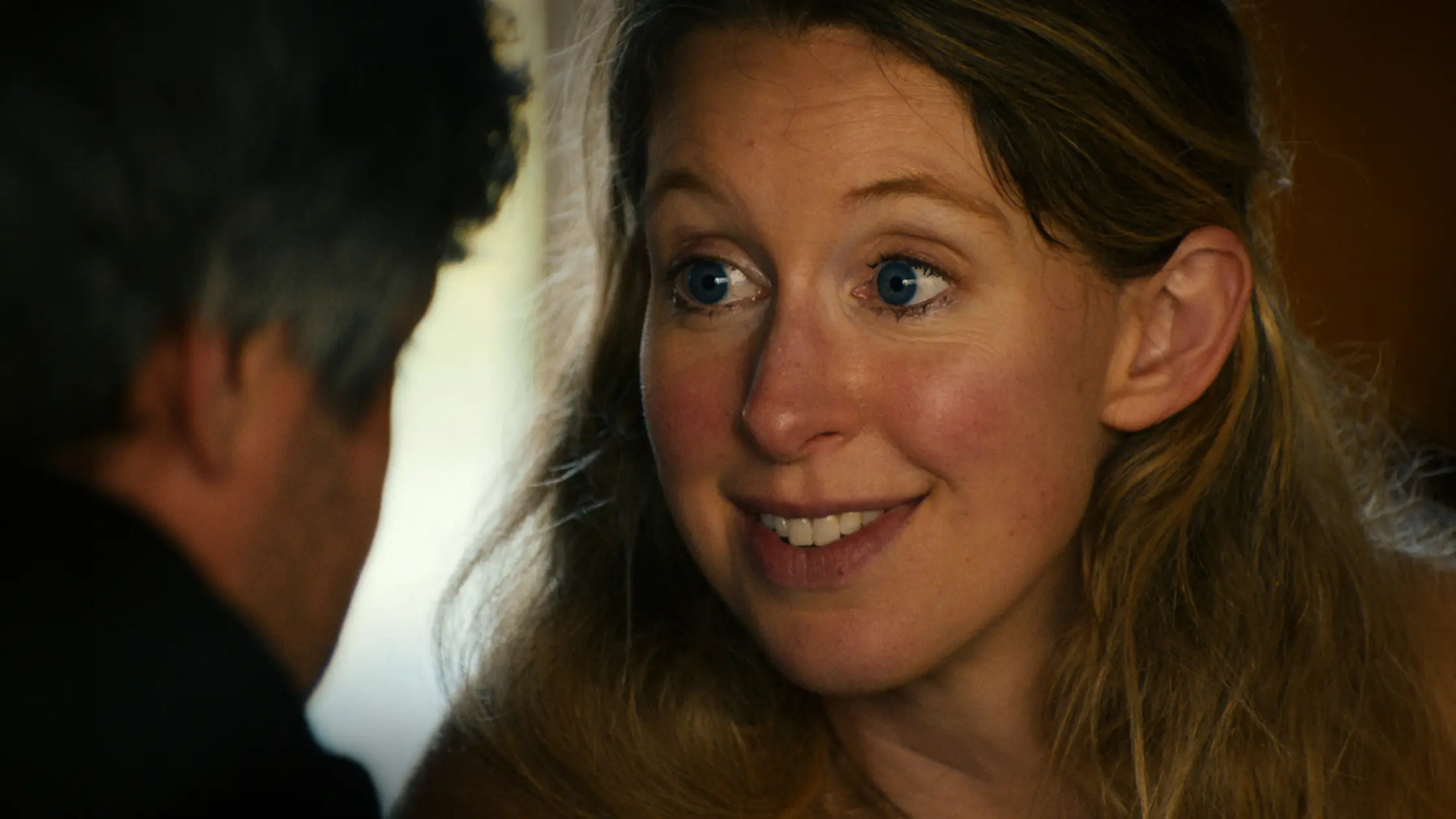
And as with all of Anderson’s previous films, the acting is top-notch across his impressively large ensemble cast. Led by Benicio del Toro and rising star Mia Threapleton, the group strikes that perfect balance between deadpan delivery and physical comedy, fully embracing the quirky, offbeat characters that populate Anderson’s worlds. But one actor, in particular, manages to rise above the rest. I’ve long hoped to see Michael Cera in a Wes Anderson film, and at last, the cinematic gods have answered. Cera is pitch-perfect in The Phoenician Scheme, stealing every scene he’s in with a hilariously off-kilter Norwegian accent that somehow fits right in with the film’s bizarre charm. In short, from a technical standpoint, The Phoenician Scheme is firing on all cylinders. It’s very much a Wes Anderson film, visually polished, musically playful, whimsically quirky and stylistically consistent. It’s clear that the craftsmanship is still there.

However, despite the ensemble’s best efforts and Wes Anderson’s typically masterful direction, The Phoenician Scheme just can’t overcome its biggest weakness: an incredibly underwritten script. Anderson’s films have always thrived on their quirky charm, whimsical characters, fantastical settings, and a tone that’s unmistakably his. But for the first time, it feels like he was so wrapped up in making everything as quirky and stylized as possible that he forgot to actually develop the story underneath it all.
Over the years, as Anderson has refined his cinematic voice, his thematic depth has become more subtle—often woven seamlessly into the fabric of his characters and settings. Here, though, that delicate layering is nowhere to be found. The Phoenician Scheme is arguably his most religious film to date, clearly aiming to grapple with big ideas: humanity’s complicated relationship with faith, the desire for redemption, the moral attempting to save the immoral, and so on. But none of these themes are given the time or space they need to resonate.

The characters spend most of the film bouncing from one beautifully designed location to another, meeting a revolving door of eccentric personalities across the fictional country of Phoenicia. But in their constant motion, they rarely pause. There’s hardly a scene that breathes, hardly a conversation that lingers long enough to land with emotional weight. It all feels rushed, like the script is too concerned with getting everyone from point A to point B to actually let anything meaningful unfold along the way. The result is a film that feels surprisingly hollow. The thematic ideas are there, but they’re surface-level. The characters are colorful, but not compelling. Anderson’s best stories are the ones that feel intimate, even when their worlds are stylized. This one feels scattered. Ambitious, sure, but stretched thin and emotionally disengaged.
In the end, The Phoenician Scheme is a rare misfire from Wes Anderson. You can see the ambition behind it. The big themes, the layered ideas, the attempt to push his style into new territory. But the story is too scattered and undercooked to hold it all together, leaving little emotional weight beneath the surface charm. Despite stellar performances from the ensemble cast and Anderson’s consistently meticulous direction, the film never quite lands. It’s still beautifully made? No doubt, but by Anderson’s own high standards, it ultimately feels like a letdown.
My Rating: C+


Leave a Reply