
Can houses hold memories? Can they hold the cheer and happiness of those who dwelled in it? Can they hold the pain, suffering and agony of those who lived there? Can all of those emotions stay in a house long after the owners have left? And can those who now dwell there feel the emotions and memories of its past owner? From my personal experience, I would say yes. I have been to places where you can feel the joy and happiness shining through the room. But I have also been to places where it feels like all the joy in the world has been sucked out of there as death is standing in the shadows. This simple question is at the heart of Mascha Schilinski’s latest feature, Sound of Falling. A haunting and terrifying portrait of the lives of four girls living in rural Germany.
Over the course of a century, we follow the lives of four girls living in a farm house in rural Germany. The first girl we meet is Alma (Hanna Heck) , a young girl who lives with her family prior to the First World War. Erika (Lea Drinda), a teenager who lives with her father and uncle at the end of the Second World War. Angelika (Lena Urzendowsky), a teenager living with her large family during the 1980s. And finally we meet Lenka (Laeni Geiseler), whose family is renovating the farm during the 21st century. Despite their lives being decades a part, their lives are intertwined until time seems to dissolve entirely.

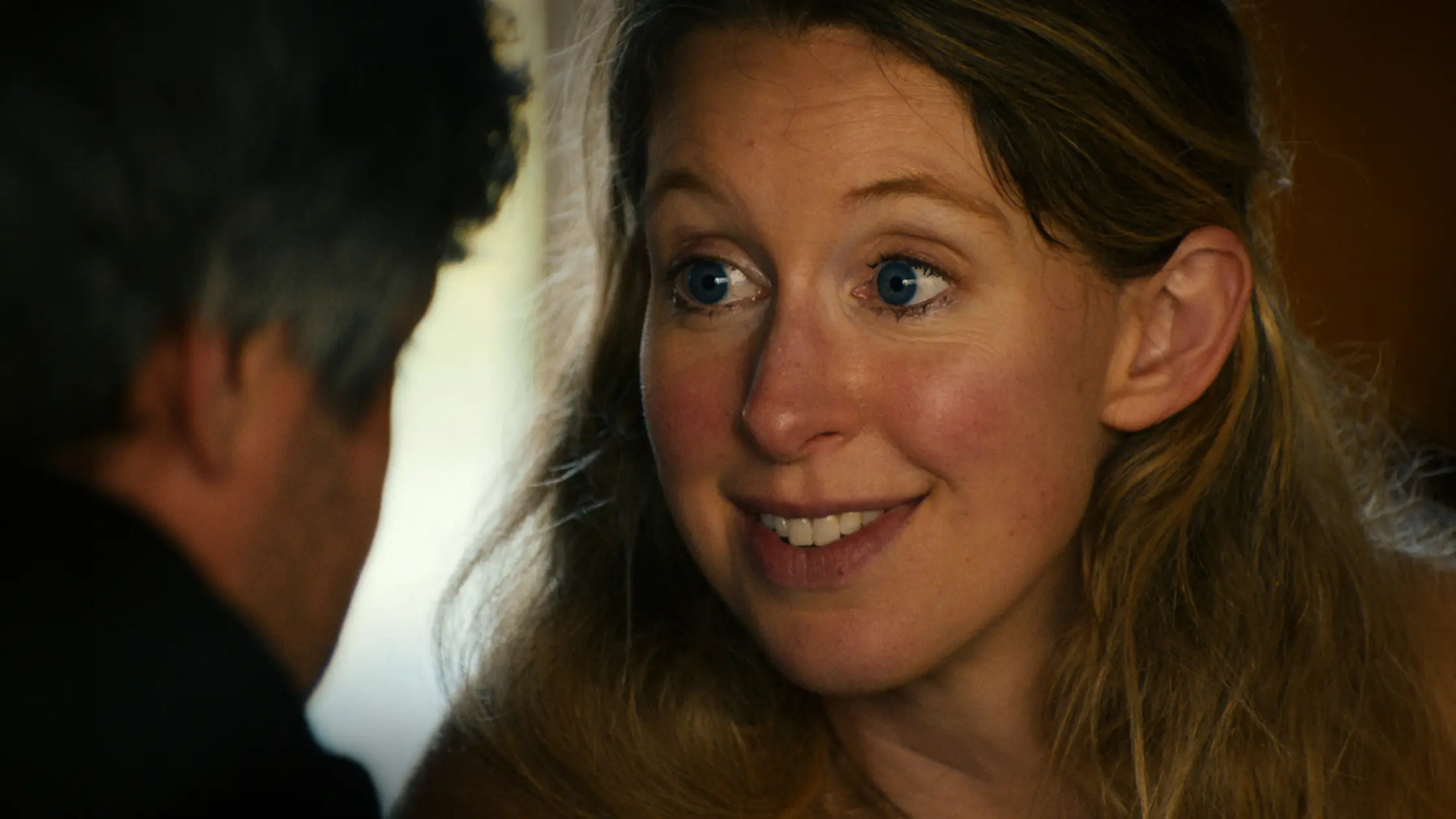
What immediately captured me about Sound of Falling was that it was shot like a horror film. Despite telling myself it wasn’t, I found myself caught in a constant state of suffocating, uneasy tension. The camerawork is deceptively simplistic as we are simply following these characters through their daily lives with these immersive, long, and unbroken takes. Yet there is something deeply unsettling and uneasy about them as the camera moves as if us, the audience, are stalking these young girls and they are aware of it. However, the presence isn’t a serial killer, but death itself. It’s such a simple idea, but it works frighteningly well. Every frame feels painterly, like something out of a Dutch Masters canvas, both beautiful and haunting. The result is a film that grips you visually, chills you emotionally, and lingers long after it’s over.
Despite being separated by decades, cultures, and circumstances, each of these girls is drowning in their own kind of struggle. Some wrestle with their bodies, imagining that they were missing a leg. Others endure the violation of predatory family members. And some suffer from the small, exhausting cruelties of siblinghood. But no matter how different their lives appear, they’re all caught in the same quiet storm of the suffocating pressure and violence that defined what it meant to be a woman in the 20th century. As their pain begins to build, their struggles overlap with each of them slipping toward the same haunting question: what happens after death?

It’s a chilling, deeply human reflection of girlhood as each one of the girls is trying to make sense of their desire, their abuse, and the fragile line between life and oblivion. Each story stands firmly on its own yet interlocks seamlessly with the others, like strands of hair braided tight by grief. Anchored by four fearless child performances, Sound of Falling is an unflinching, gut-wrenching experience and absolutely not for the faint of heart.
While Sound of Falling will undoubtedly be dismissed by some as being too arthouse or too opaque, there’s no denying the sheer artistry on display. Every moment is crafted with meticulous precision as you are dragged into the depths of pain, despair and discomfort. It’s not a comfortable movie, yet it still feels deeply human. It’s as hypnotic as it is haunting, as you are forced to sit in discomfort, just like our four girls. It will turn away many, but if you are willing to surrender to this discomforting rhythm, Sound of Falling is nothing short of immaculate.
My Rating: A


Leave a Reply