
To prepare for Chloe Zhao’s Hamnet, I listened to the audiobook of the novel by Maggie O’Farrell. To my surprise I didn’t like the novel. Not only did it take me about three chapters to realize that the novel was non-linear, but I found the character of Agnes to be annoying with her know-it-all attitude. So going into the film adaptation I was worried given that I wasn’t a fan of the novel. Thankfully my worries were washed over quickly by my uncontrollable crying and tears.
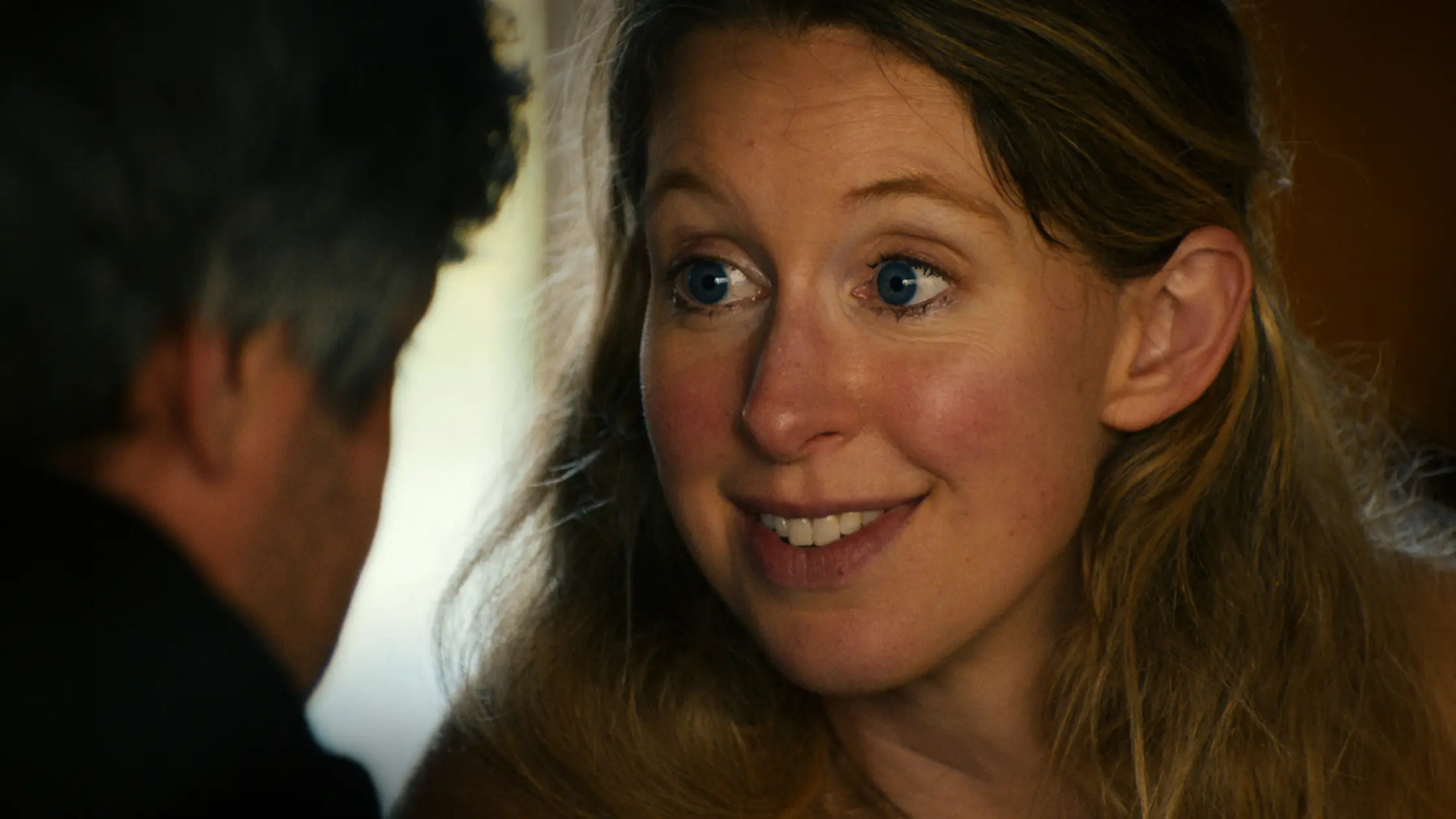
We follow Agnes (Jessie Buckley), a free-spirited woman and strong-willed woman living in the rural town of Stratford-upon-Avon in 16th-century England. After playing with her Falcon she meets William (Paul Mescal), who is tutoring her younger brothers in Latin. Eventually the pair fall in love and start a family. What follows is a powerful tale of love and unimaginable loss that inspired the creation of Shakespeare’s timeless masterpiece, Hamlet.

Many have called Hamnet to be unadaptable due to the vivid imagery and sensory richness of O’Farrell’s words. Yet that very quality makes it an ideal match for Zhao, whose filmmaking thrives on texture and atmosphere. Her Elizabethan England feels both intimate and live, a place where you can feel the chill of a breeze and smell the scent of posies, all while Death lingers in the dark corners. The production and costume design are immaculate in their detail and Max Richter’s score is simplistic, yet moves you like a faded memory. There is no question that Zhao captures the feel of Hamnet, but does she capture its heartbreak?
The first half of the film is a Shakespearean romance as we see two star crossed lovers of different worlds fall for each other. Agnes is an eccentric loner, fierce in spirit and touched by what some might call foresight, while others might call witchcraft. William by contrast, is gentle and inward as he spends his days dreaming in his thoughts rather than the world around him. Yet their oddities are what draws them to each other as they fall for each other at first sight. Before they know it, they have three beautiful children, a lovely house, and Williams’ career as a playwright has garnered acclaim. Even in Williams absence, the bond between them hums with the joys of life as you feel the strength of their love stretching across England. It’s a tender, luminous portrait of a family bound by something unspoken until death quietly enters their frame.

I should say as a warning that Hamnet features an incredibly graphic death of a child at the hands of the Bubonic Plague. I wouldn’t call it a spoiler per say as it is a historical fact, but I say it is a warning as this death caused myself and every member of the press audience to uncontrollably cry for several minutes straight. Zhao approaches this loss not with manipulation, but with raw, aching honesty. Watching a child scream and cry in pain as they die in their mother’s arms is nothing short of gut-wrenching, yet Zhao frames it with tenderness and restraint. This loss causes a shift in Hamnet, where it transforms from a love story to a meditation on grief, a grief that no parent should have to endure.
In the aftermath of their loss, Agnes and William begin to drift apart as each of them are consumed by their grief. William, brought to life with quiet brilliance by Paul Mescal, buries himself in his writing as his art becomes his refuge. Agnes, meanwhile, is overtaken by anger and sorrow. Jessie Buckley delivers a staggering performance as she channels the raw, unrelenting maternal fury that only a grieving mother can know. And when their paths finally cross again, the result is nothing short of transcendent. A cathartic, tear-jerking conclusion that reveals how even in the cruelest of devastations, there can also be beauty and hope.

Overall, Hamnet is a hauntingly tender exploration of love and loss. Zhao transforms O’Farrell’s novel into a cinematic experience that feels both intimate, vast, and universal. It is a film that will devastate you, but also remind you why we endure heartbreak. We endure it for love, in all of its form, is worth the pain that it leaves behind. Where you are left not just mourning what’s been lost, but marveling at the quiet, enduring beauty of what remains.
My Rating: A+
Coming to theaters November 26th.



Leave a Reply