
If you are going into a Lynne Ramsay film, be prepared to watch a lot of movie. It’s not narratively dense per say, but it’s thematically dense, complicated, and in many cases, overwhelming. So when I sat down with her latest feature, Die My Love, I was expecting an emotionally raw exploration of postpartum depression and how relationships shift after a child enters the picture. And to give the film credit, it does touch those nerves, but not with the depth or self-awareness it seems to believe it has.
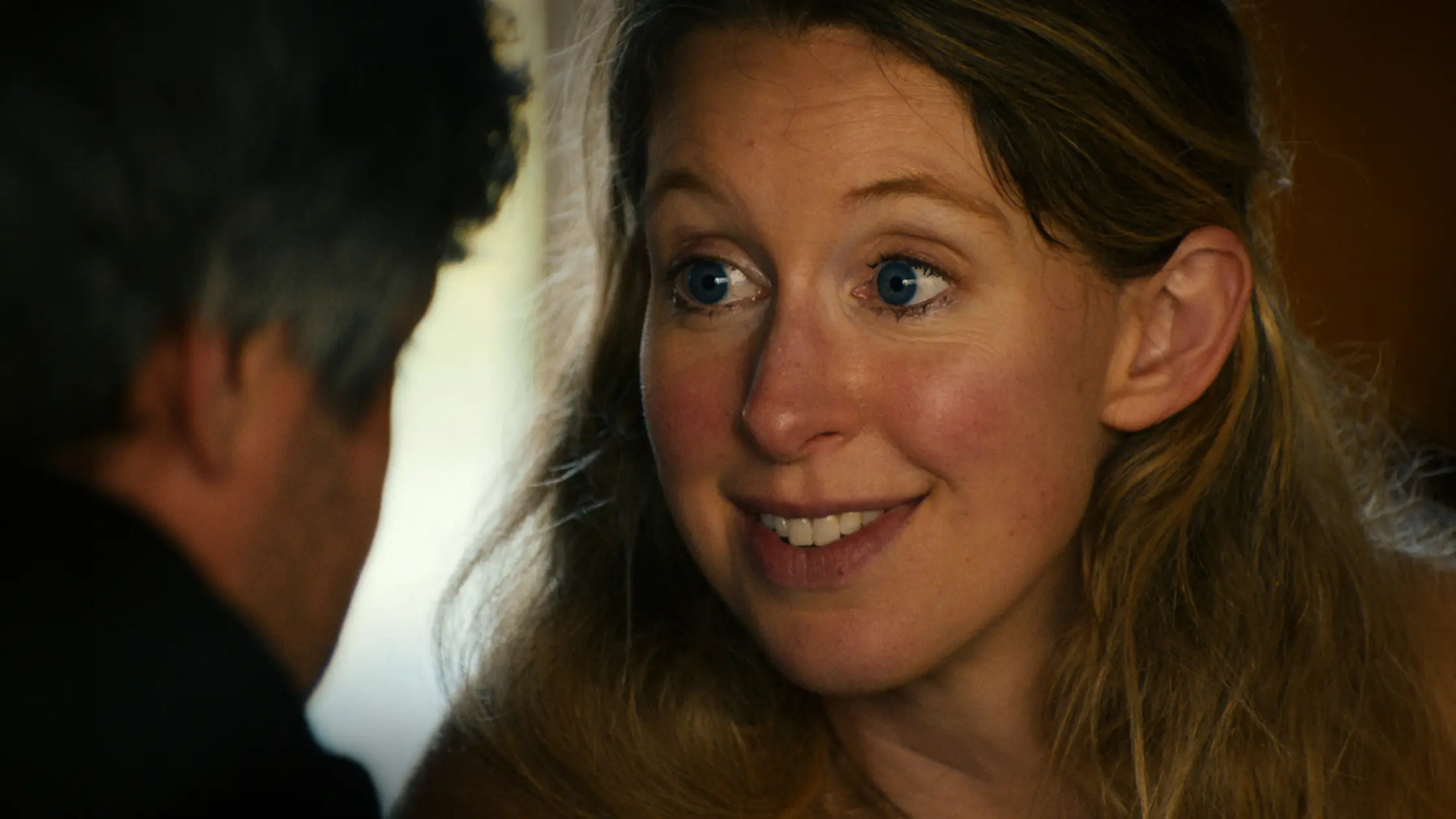
We follow Grace (Jennifer Lawrence), a writer and a young mother who is slowly slipping into a post-partum madness after her and her boyfriend, Jackson (Robert Pattenson) welcomed a baby boy. Locked away in an old house in the remote Montana wilderness, her behavior becomes increasingly erratic and agitated as she becomes neglected and helpless, putting everyone in danger, including herself.

From the opening moments, Die My Love throws you straight into the delirium of Post Partum Depression through the eyes of Grace, a fully unhinged Jennifer Lawrence. The mood is disorienting, the environment is overwhelming, the world around her is suffocating, and the filmmaking leans hard into abstraction and impressionism. Grace is an unreliable narrator, which means we’re left, like her, trying to parse what is real and what is imagined. It’s a disorienting, feverish descent as the film traps us inside her unraveling mind. As an experience, you don’t just witness Grace’s madness, you inhabit it.
However, Die My Love quickly slips into a kind of numbing repetition after the first half hour. Everything it has to say about motherhood, abandonment, postpartum depression, and the quiet corrosion of love is already stated in these opening moments, and the film never evolves beyond that point. The film keeps circling around the same emotional drain. The story starts looping: the baby cries, Grace stumbles, she reaches out to Jackson for affection and love where he rejects her. Eventually she lashes out violently, where Jackson doesn’t know how to help her despite trying, and the cycle begins again. Over and over again for nearly two hours. I understand that Die My Love is meant to be more of a tonal cinematic experience, rather than a narrative experience. But I found myself wishing it had a stronger narrative backbone, where it gives chaos more purpose and meaning that the familiar refrain of a new mother unraveling without support.

Overall, Die My Love is a striking cinematic experience, but not a satisfying narrative one. It captures the disorienting experience of postpartum depression with haunting precision. The performances are raw, the atmosphere is immersive and the craft is undeniable. But beneath all of that artistry lies a story that feels thin. It is a film that feels deeply, yet says very little beyond its initial premise. For all of its sensory powers, Die My Love ends up like Grace: beautifully made, emotionally volatile, and ultimately trapped inside its own head.
My Rating: B-
In Theaters Now



Leave a Reply