
I am always in the mood for a good slice-of-life-film. They always provide a quiet look into the lives of everyday folks who are just simply existing. They offer an intimacy that feels real as we, the audience, simply watch these characters’ lives from afar. In Rachel Lambert’s latest feature, Carousel, she gives us a slice of life of past loves reuniting after nearly 20 years apart. It’s a premise that promises to be more of an honest exploration of romance, love, and the possibility of a second-chance. And while the framework for that kind of story is firmly in place, Carousel ultimately loses its footing as it gets tangled in its own narrative.
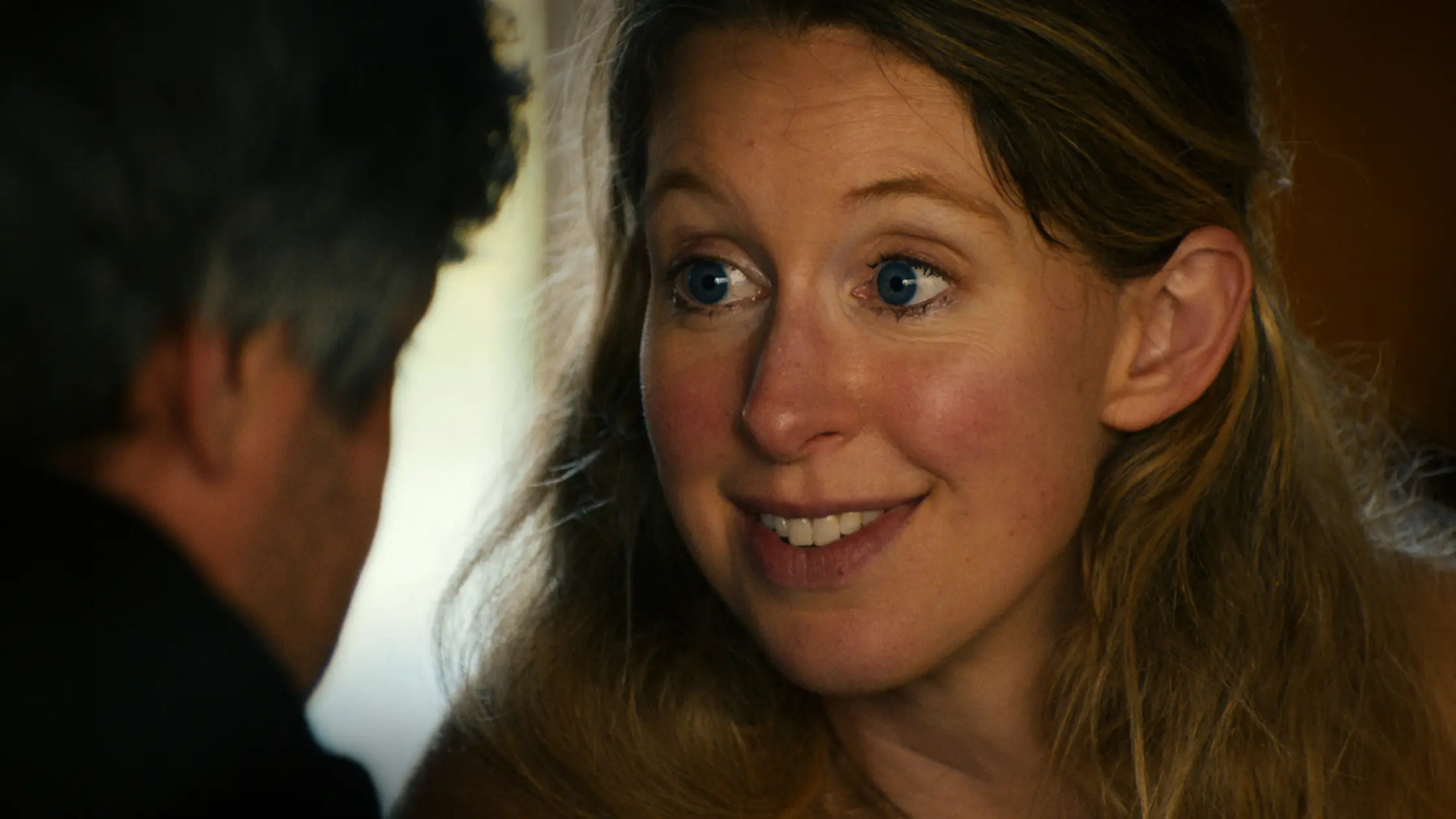
Noah (Chris Pine) is a divorced doctor who has carefully constructed a life in Cleveland, Ohio. However, when his daughter Maya (Abby Ryder Fortson) joins the debate team, Noah unexpectedly finds himself reunited with a past love, Rebecca (Jenny Slate). This reunion forces him to confront his own choices and embrace a second chance at love.
One element that constantly frustrates me with romantic comedies, outside of the normalization of unhealthy relationships, is that the genre has a tendency to get so caught up in the romance that it forgets the people at the center of it. Lambert pulls the focus back from the romance and puts the human experience front and center. Watching Noah and Rebecca, both brilliantly played by Chris Pine and Jenny Slate, rekindling their romance and looking back at their lives, their life choices, and the roads not taken is refreshing. The romance that Lambert has crafted is rooted in authenticity, rather than spectacle. Unfortunately, that thoughtful approach is ultimately buried.
What ultimately drags Carousel down is its overstuffed narrative. Noah is saddled with a mountain of personal turmoil. He is still reeling from a recent divorce that has left him and his daughter, Maya, drowning in depression and anxiety. Furthermore, his family health clinic is teetering on the brink of bankruptcy. Rebecca, meanwhile, is facing her own crossroad. Her parents are aging and the looming question of full-time care hangs over her every decision. She is also professionally adrift as she is caught between returning to Washington D.C. as a political adviser or staying in Cleveland as a high school debate teacher.
While these narrative threads do add to the emotional richness of Carousel. The film’s slower, more methodical pacing ends up working against the film. Instead of deepening the story, these plot threads feel distracting, causing the overall narrative to drift and meander. There is a great film buried within Carousel. You can feel its heartbeat, hear the quiet passion of its central relationship, and sense the emotional weight it’s reaching for. Unfortunately, all of that is smothered beneath an overstuffed, meandering narrative.
That said, Carousel ultimately delivers the kind of slice-of-life, adult character drama I’ve been craving for some time now. The film is far from perfect, yet I found myself nonetheless captivated by it. Anchored by Chris Pine, who gives one of the best performances of his career, and Jenny Slate, who confidently steps outside her usual typecasting, the film’s performances alone are enough to keep you firmly in your seat. If nothing else, Carousel reminds us of the power of intimate storytelling, even when the execution doesn’t fully hold together.
My Rating: B-
Carousel is currently seeking U.S Distribution.



Leave a Reply