
We all know the tale of Robin Hood and his Merry Men. He steals from the rich and gives to the poor in Nottinghamshire, England. He hides from the elusive Sheriff of Nottingham in Sherwood Forest. His legend has become a symbol of the fight against corruption, wealth inequality, and greed. He has been portrayed in every possible way, from historically accurate productions to wildly stylized reinterpretations. Yet, for all of his fame, his legend has rarely been deconstructed to examine who Robin Hood really was. Until now.
Grappling with his past after a life of crime and murder, Robin Hood (Hugh Jackman, Logan) finds himself gravely injured after a battle he thought would be his last. In the hands of a mysterious woman, he is offered a chance at salvation.
If I have to give writer-director Michael Sarnoski some credit, it’s that he offers a genuinely unique perspective on Robin Hood. While Robin stole from the rich and gave to the poor, that life of crime has left behind a trail of destruction and death. It has created a never-ending cycle of violence. Every person Robin kills leaves behind someone seeking vengeance. When they fail, more people are drawn into the hunt, perpetuating the cycle all over again. It’s an endless spiral that has slowly consumed Robin, to the point where he no longer sees himself as a hero. He’s a shell of the man he once was, and all he wants is for death to finally put an end to the suffering. But as he’s knocking on death’s door, he’s unexpectedly given a chance at redemption.
While this kind of deconstruction of the heroic archetype isn’t exactly new, it’s still fascinating when filmmakers ground legendary heroes in reality. I just wish The Death of Robin Hood was as compelling as its premise. Despite excellent performances from Hugh Jackman and Jodie Comer, along with a brutal opening thirty minutes featuring a viciously bloody fight to the death, The Death of Robin Hood surprisingly misses the mark. The film is beautifully crafted, with a rich atmosphere and strong visual direction, but beneath all of that, it’s shockingly hollow. Worse, it’s boring.

We’ve seen stories like this before. Logan, Watchmen, Unbreakable, God of War, and countless others have all deconstructed the violence and trauma of heroic figures. The difference is those stories brought enough personality and originality to make the familiar feel fresh. The Death of Robin Hood never quite manages that. Instead, it falls into the familiar clichés of this type of redemption story.
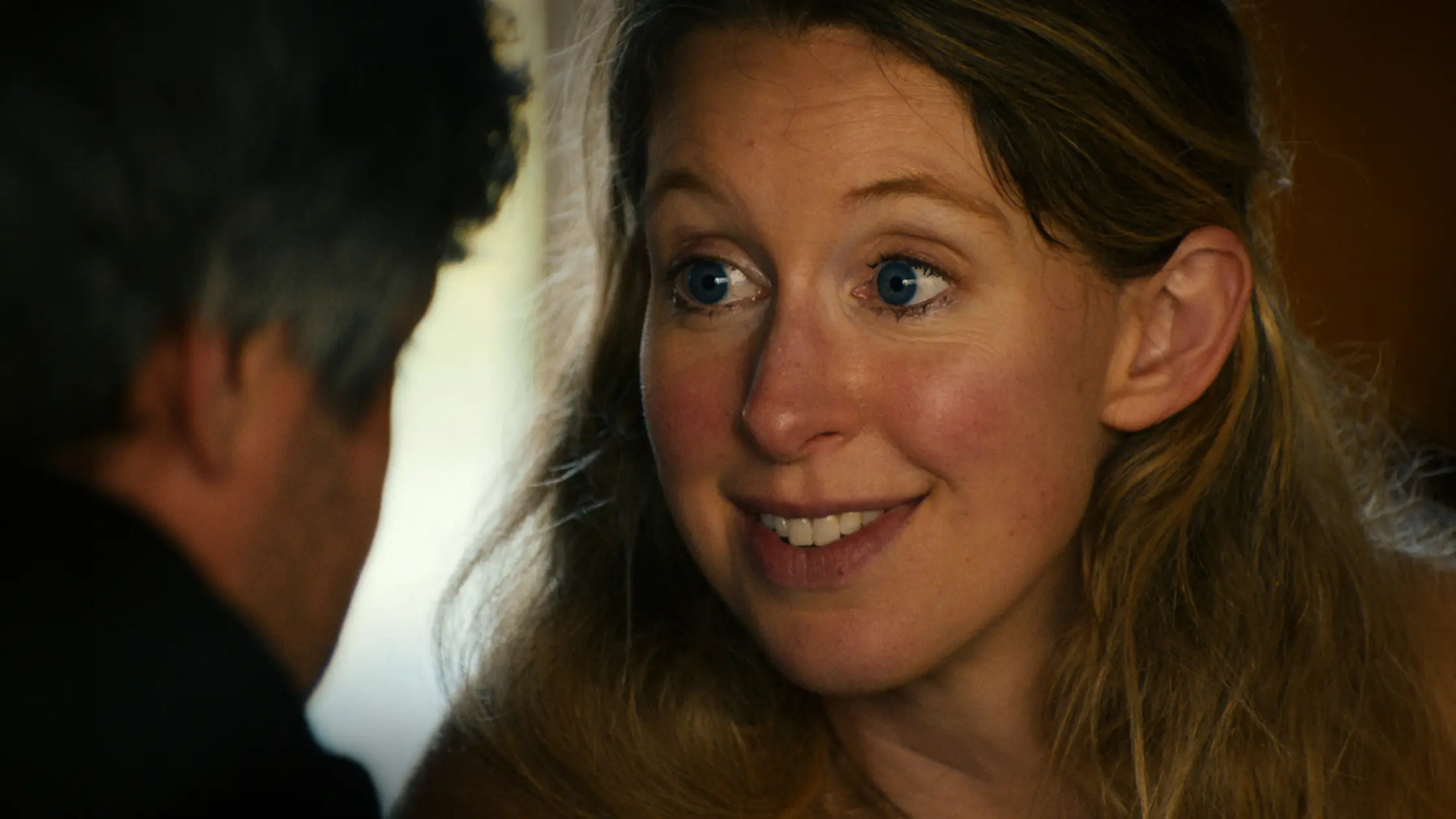
After being gravely wounded, Robin is taken to the remote Priory of St. Clement, where a prioress named Sister Brigid (Jodie Comer, The Last Duel) nurses him back to health. Unaware of his true identity, the sisters humble him as he slowly becomes a valued member of the priory. During his recovery, Robin forms a close bond with Sister Brigid and a young girl named Little Margaret, eventually becoming a father figure to her. Through them, he begins to rediscover what it means to truly live and how to finally break the cycle of violence that has haunted him for so long.
It’s a story we’ve seen countless times before, and The Death of Robin Hood follows that blueprint almost beat for beat. It sticks so closely to the formula that it feels interchangeable with countless other films exploring similar themes. As well made as it is, the film ultimately leaves very little lasting impression. Overall, despite strong filmmaking and excellent performances, The Death of Robin Hood is ultimately forgettable. I was intrigued throughout, but most of that intrigue came from the premise itself rather than the execution. The film takes a fascinating concept and somehow makes it boring.
My Rating: C+
The Death of Robin Hood is now available on VOD.


Leave a Reply