
Gregg Araki’s I Want Your Sex made me feel so many different things while watching. On one hand I was intrigued and fascinated by its commentary. But on the other hand, I was disgusted by how the film went about its commentary. There is a lot of good, bad, and ugly in I Want Your Sex.
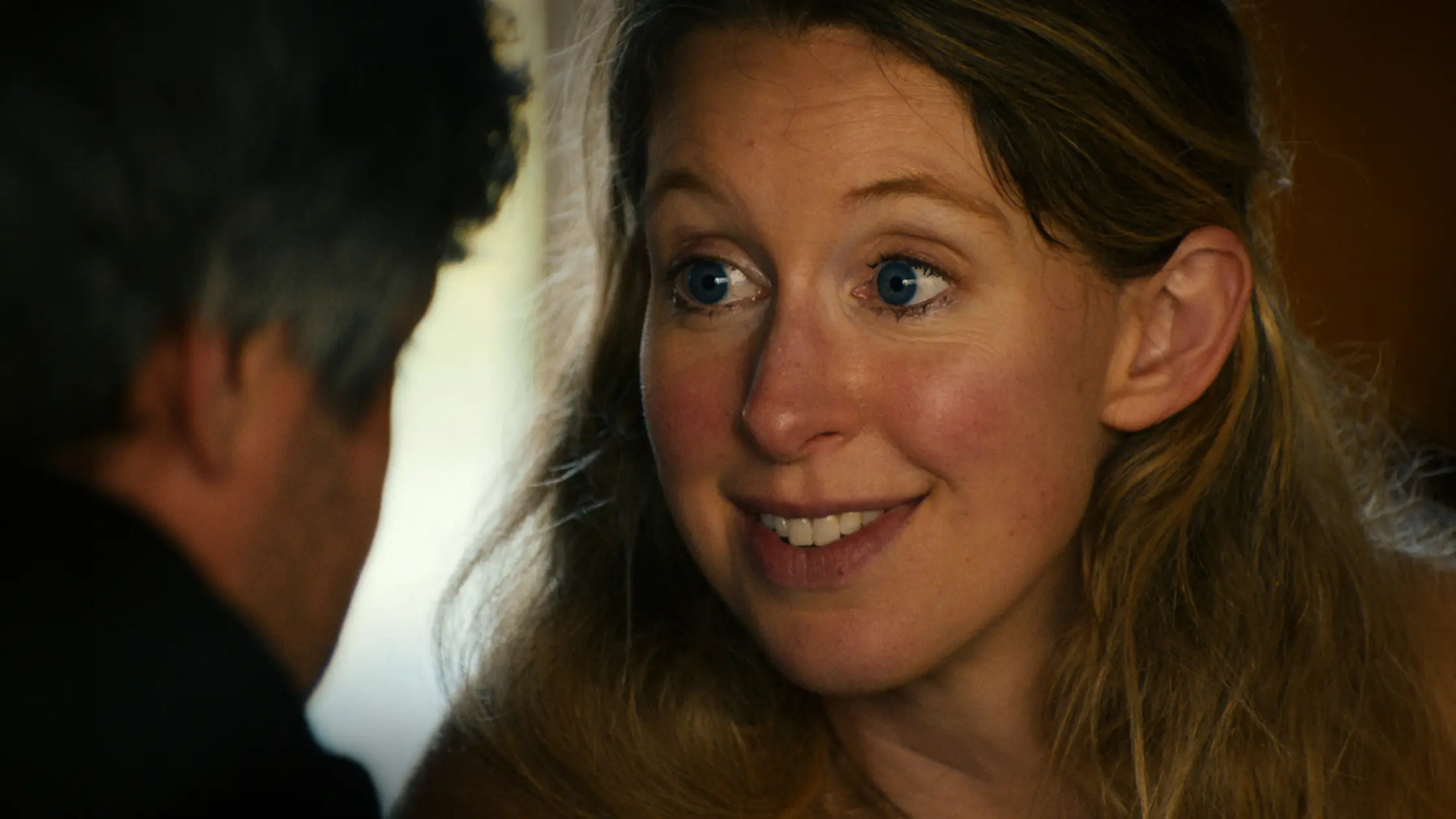
When fresh-faced Elliot (Cooper Hoffman, The Long Walk) lands an exciting job for renowned artist, icon, and provocateur Erika Tracy (Olivia Wilde, The Invite) his fantasies come true as Erika taps him to become her sexual muse. But Elliot soon finds himself out of his depth as Erika takes him on a journey more profound than he ever could have imagined, into a world of sex, obsession, power, betrayal and murder.
On one hand I appreciate what Gregg Araki is saying about sex, especially regarding Gen Z’s attitude towards it. I appreciate that Araki explores sexuality through a sex-positive lens. He argued that we should be able to enjoy our sexual kinks without judgment and fear of being ostracized. As long as everyone involved is consenting, people should be free to get as freaky as they want. Furthermore, Araki suggests that Gen Z needs to step outside of its discomfort when it comes to sex. He states that sex is not something to fear; it is a natural, animalistic instinct, and we should not be ashamed of having those desires. I appreciated this commentary, but I did not appreciate the way the film chose to deliver it.
I understand that I Want Your Sex is a campy, satirical sex comedy. But deep down you know that if the roles were reversed, where a man in a position of power grooms his young female assistant into being his sex pet that it would be a horror film, not a sex positive comedy. Yes, the film acknowledges that Erika pushes things too far with Elliot, but her actions are ultimately treated as comedic rather than disturbing. Even more frustrating is how Elliot reflects on the relationship. Instead of recognizing it as grooming, he frames it as a positive experience that helped him discover a side of himself he never knew existed. In doing so, the film undercuts the seriousness of the power imbalance at the heart of their relationship.
This framing is just another example of Hollywood’s ongoing refusal to acknowledge that women can also abuse positions of power and be sexual predators. Likewise, the film refuses to recognize that men can be victims of physical, sexual, and emotional abuse at the hands of women. Instead, for men who have experienced this kind of trauma, Hollywood continues to treat it as one big joke. Framing their abuse as some kind of positive, transformative experience. It is 2026, and it is still painfully clear that Hollywood does not take male victims seriously, even after the #MeToo movement forced the industry to confront abuses of power.
Which is what makes Gregg Araki’s I Want Your Sex such a difficult film for me. I appreciated its sex positive commentary that we should be able to enjoy sex without judgement, no matter how kinky it may be. That message is further elevated by fantastic performances from Olivia Wilde and Cooper Hoffman, both of whom fully commit to the extreme kinks and emotional intensity of their characters. However, I did not appreciate how the film chose to convey this message. Rather than sinking its teeth into a story about the dangers of a toxic relationship built on power, manipulation, and kinks instead of genuine connection, it takes an abusive grooming dynamic and a ritual of humiliation and plays it for laughs. It is 2026. This kind of dismissal of male victims of abuse should be a relic of the past. So why is Hollywood still treating it as comedy, especially after the #MeToo movement?
My Rating: C-
I Want Your Sex is now playing in theaters nationwide.



Leave a Reply