
Laika is arguably one of the most underrated and underappreciated animation studios in Hollywood. For over 20 years, the studio has remained committed to its roots in stop-motion animation, making it one of the few studios left that specializes in this painstaking art form. And despite nearly all of its films losing money at the box office, with the exception of Coraline, Laika continues to pursue its artistic ambitions, largely thanks to financial backing from Nike. Given the incredibly long and labor-intensive animation process, the studio must be especially selective when deciding what its next project will be. Rather than playing it safe with a relatively simple story, however, Laika has decided to swing for the fences. The result is not only the studio’s most ambitious film to date, but potentially one of the most ambitious animated films ever made. Needless to say, with Wildwood, Laika may have created its magnum opus.
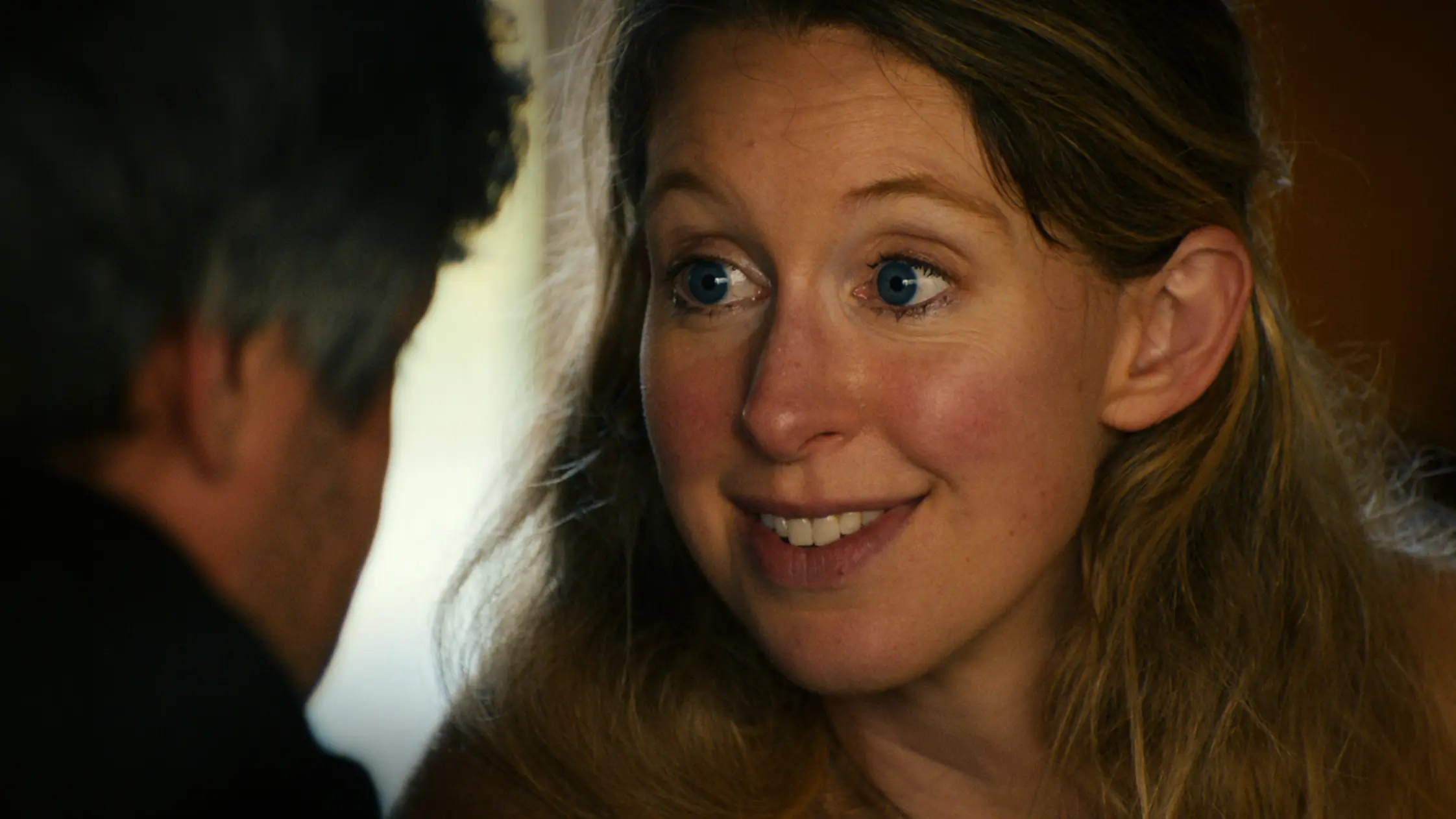
Narratively speaking, Wildwood is a classic fairy tale in the vein of the Brothers Grimm. Prue (Peyton Elizabeth Lee, Pizza Movie) and her classmate Curtis (Jacob Tremblay, Room) find themselves drawn into a mysterious and magical forest on the outskirts of Portland, Oregon, after Prue’s baby brother, Mac, is kidnapped by a murder of crows. Within the forest, they encounter enchanted creatures, loyal allies, and formidable adversaries led by an enchantress named Alexandra (Carey Mulligan, Promising Young Woman). Prue and Curtis must find the courage to overcome these obstacles and save Mac before it is too late. While the narrative is relatively straightforward, if a bit clichéd and predictable, that does little to diminish how masterfully Laika executes the story or how thematically rich Wildwood ultimately proves to be.
From beginning to end, Wildwood is an incredibly rich story filled with thematic intrigue and exploration. The film’s most prominent theme is the loss of innocence that Prue and Curtis experience while traversing the Impassable Wilderness. At first, neither of them truly believes in magic, though Curtis is at least willing to entertain the idea, primarily through Dungeons & Dragons. However, once they enter the forest they discover that magic is not only real, but that it demands they grow up far sooner than they ever expected. Their lives are suddenly on the line, and the fate of countless others rests in their hands. Their loss of innocence does not come from simply believing in magic; it comes from being forced to make impossible, adult decisions long before they are ready. They are tasked with choices whose full weight they may not even understand, yet they have no choice but to make them if they hope to save the forest. Through those decisions, Prue and Curtis come to realize that growing up is neither simple nor graceful, but a painful process of accepting responsibility before you’re prepared for it.

The secondary theme explored in Wildwood is grief, primarily conveyed through the film’s villain, Alexandra, who may very well go down as one of the most terrifying villains of the 21st century. Alexandra has never been the same since the death and disappearance of her son. Completely consumed by grief, she refuses to accept her loss and instead turns to dark magic in a desperate attempt to bring him back. Her actions eventually lead to her banishment, which only deepens her suffering and resentment. Alexandra ultimately serves as a cautionary tale of what happens when you allow grief to consume you rather than confront it and learn to let go. Her tragedy lies in how her inability to process her loss transforms her into something truly monstrous.
These two themes, alongside many others, are explored in near-perfect balance. Wildwood manages to present these themes that are easily digestible for younger audiences while also exploring them with an intelligence and maturity that older audiences will greatly appreciate. And how does the film accomplish this? Through its sheer boldness in embracing just how dark and unsettling this tale can be. Rather than watering down its darker elements to appeal to younger viewers, Wildwood fully commits to the darkness of its story, allowing its themes to resonate on a much deeper level.
It is no secret that children’s stories and fairy tales have become increasingly sanitized over the past two decades, particularly when it comes to film. Too many filmmakers seem afraid of making children uncomfortable or upsetting parents with their films’ visual styles and thematic content. Laika, however, has never shied away from frightening younger audiences, as demonstrated by projects such as Coraline and ParaNorman. With Wildwood, the studio takes an even bigger leap of faith. By fully embracing the darker tones and themes of the source material, Laika brings the Brothers Grimm back into fairy tales, reminding audiences that these stories were never meant to be entirely safe or comforting. Sometimes, the most meaningful children’s stories are the ones that dare to venture into the darkness.
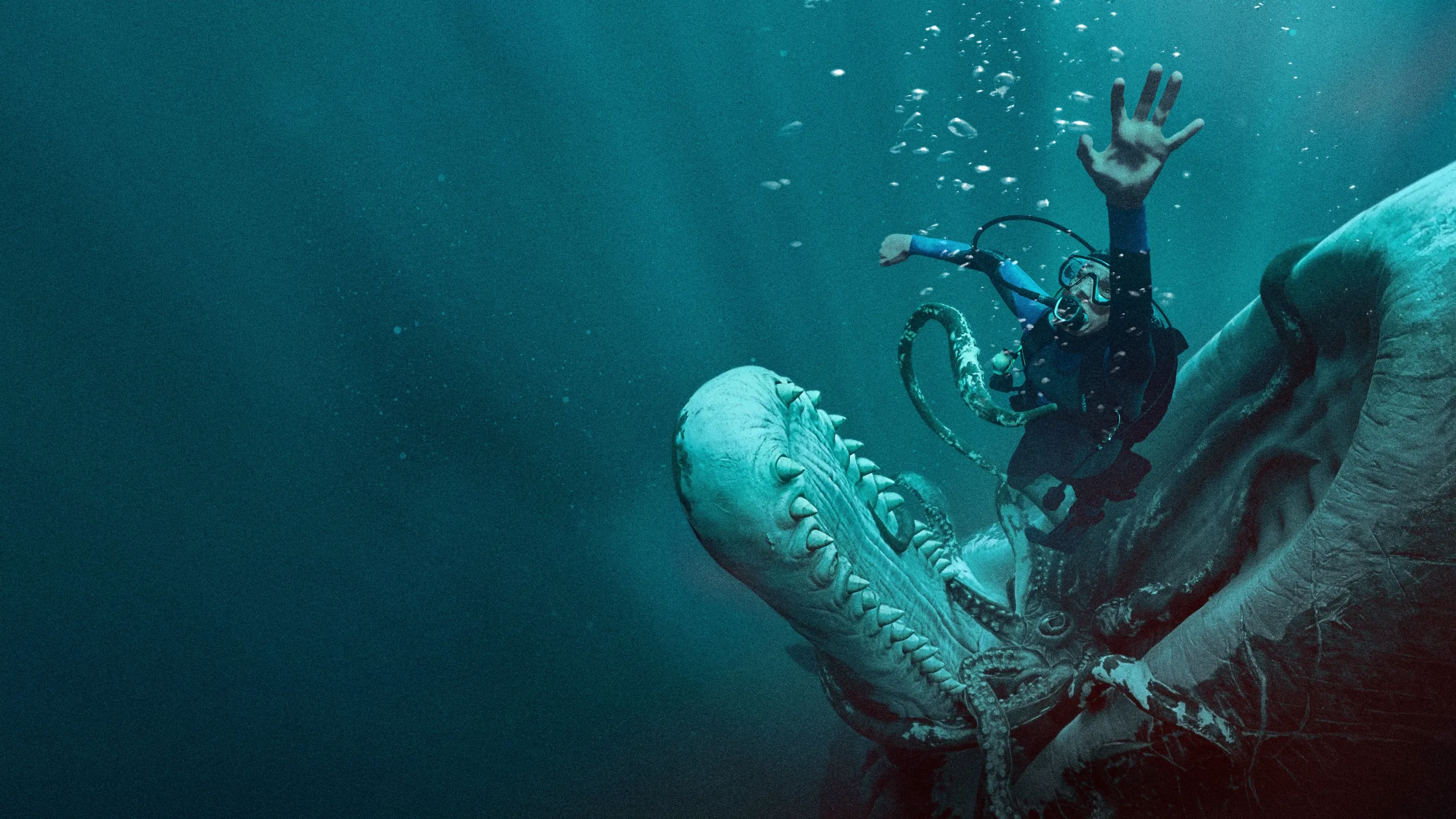
With its PG-13 rating, Wildwood allows its filmmakers to fully explore the darker tones and graphic violence present in the original novel. Characters draw blood, suffer grievous injuries, and are even brutally killed. At one point, we even witness a character being decapitated in the distance. The film opens with a child taking their own life in front of a large crowd, and we are shown decomposing bodies scattered throughout the wilderness in all their grisly detail. To make matters even more unsettling, the film features several nightmare sequences that would have probably terrified me had I watched this at six years old. Laika clearly has no intention of pulling its punches, and the result is a film that embraces a level of darkness rarely seen in mainstream animated features.

Wildwood’s boldness and fearlessness in embracing the novel’s darker themes, coupled with its refusal to sanitize the story for younger audiences, elevate the film’s narrative and thematic exploration to a whole new level. This approach lends the film a sense of honesty and authenticity that makes its story all the more compelling. It serves as a reminder that fairy tales are not all gumdrops and rainbows. They are often dark, cautionary tales meant to teach us important lessons about society, relationships, and what it truly means to be human.
Wildwood’s embrace of its darker tone and rich narrative is further elevated by the film’s stunning animation. Just as Spider-Man: Into the Spider-Verse changed the game for 3D animation, showing that it can be stylized rather than hyperrealistic, Wildwood is not only going to change the way we approach stop-motion animation, but it could change the animation medium forever.
Wildwood’s principal photography lasted over seven years, and in every frame of this film, you can see the blood, sweat, and tears that the animators poured into bringing this story to life by hand. The animation is not only stunningly beautiful, but it also features several sequences that will leave you questioning how on earth the animators managed to pull them off. The sheer level of craftsmanship and attention to detail on display is nothing short of extraordinary, and it is evident that every single frame was made with an incredible amount of love, care, and dedication. This is the kind of animation that reminds you just how much artistry goes into the medium and why stop-motion animation remains such a remarkable art form.

These sequences could be elaborate chase scenes through the sky and across mountain passes between a murder of crows and an eagle, or a nearly 20-minute-long battle sequence featuring hundreds of puppets. The scale and ambition of these set pieces are absolutely insane, and the fact that they were brought to life through stop-motion animation makes them all the more impressive. I genuinely cannot wrap my head around how the animators managed to pull off some of these scenes, and I have never seen anything quite like it before. Wildwood is a monumental achievement in animation, and if this film does not convince people that stop-motion animation is capable of competing with any other animation medium, I honestly do not know what will.
While Wildwood is not perfect and suffers from some pacing issues, particularly during its middle act, there will undoubtedly be some people who criticize the film for being clichéd and predictable. However, many of these criticisms begin to fade away once you fully appreciate the sheer amount of craft, dedication, and artistry that went into making this film. The film’s darker tone, thematic richness, and absolutely mind-blowing animation elevate what could have been a fairly conventional fairy tale into something truly extraordinary. Wildwood is a testament to what happens when a studio refuses to compromise its artistic vision and dares to take a massive swing. In an era where animation is increasingly driven by familiarity and commercial appeal, Laika has given us something that feels genuinely ambitious and uncompromising. And for that, Wildwood is nothing short of a cinematic masterpiece.
My Rating: A
Wildwood comes to theatres on October. 23rd.


Leave a Reply